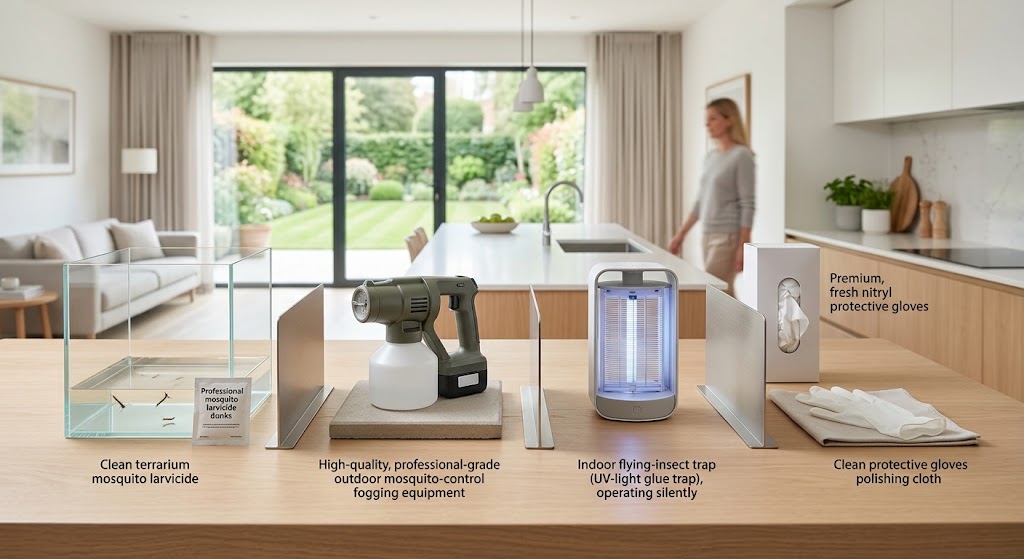
Sleeping With the Enemy: How to Get Rid of Southern House Mosquitoes

Southern house mosquitoes (Culex quinquefasciatus) can quickly become a nuisance around homes, particularly where standing water provides suitable breeding sites. They often become active in the evening and at night, making outdoor activities uncomfortable and potentially exposing people and pets to mosquito-borne diseases.
The good news is that you can reduce their numbers by targeting the places where they breed, preventing them from entering your home and choosing appropriate control products. This guide explains how to identify southern house mosquitoes, recognize the severity of an infestation and choose practical solutions, from simple prevention to more intensive control.
Quick Answer: How to Get Rid of Southern House Mosquitoes
The most effective approach is to eliminate mosquito breeding sites first, then address the adult mosquitoes that remain.
-
Light infestation: Empty standing water, clean gutters, remove discarded containers and repair damaged window screens. Consider Summit Mosquito Dunks for suitable standing water that cannot be emptied.
-
Moderate infestation: Combine breeding-site elimination with vegetation management and targeted outdoor control. Use appropriately placed indoor traps when mosquitoes enter the home.
-
Severe infestation: Inspect difficult-to-reach breeding sites, correct drainage problems and consider professional mosquito control if the infestation persists. Use additional pesticide treatments only when the product label specifically permits the intended application.
The most important step: Find and eliminate the source of the mosquitoes. Adult sprays, traps and fogging may provide additional relief, but they will not solve a continuing breeding problem on their own.
Affiliate Disclosure
If you purchase through links on this page, BugOffControl.com may earn a commission at no additional cost to you. This helps support our pest-control guides and product research.
As an Amazon Associate I earn from qualifying purchases.
| Product | Best For | What It Does | Where It Fits | Key Consideration |
|---|---|---|---|---|
| Summit Mosquito Dunks | 🟢 Standing water | Targets mosquito larvae with Bti | Breeding-site control | Use only in water and situations permitted by the label |
| Wondercide Outdoor Pest Control Spray Concentrate | 🟡 Supplemental outdoor control | Provides plant-based outdoor pest control | Outdoor activity reduction | Follow the current label and protect pollinators |
| Safer Brand Flying Insect Light Trap | 🟡 Indoor flying insects | Attracts insects to an adhesive trapping surface | Indoor supplemental control | Not a substitute for eliminating breeding sites |
| LiBa 2800V Indoor Bug Zapper | 🟡 Indoor flying insects | Uses an electric grid to kill attracted insects | Indoor supplemental control | Use in a dry, appropriate location |
| Atticus Talak 7.9% Bifenthrin Concentrate | 🔴 Label-approved pesticide applications | Provides residual insecticidal control where permitted | Targeted pesticide control | Concentrate requires strict label compliance |
How to Identify the Southern House Mosquito
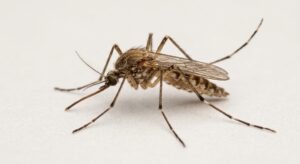
The southern house mosquito is a medium-sized, brownish mosquito belonging to the genus Culex. It can be difficult to distinguish from other mosquitoes without close examination, so behavior and breeding habitat can provide useful clues.
|
Characteristic |
Description |
|---|---|
|
Scientific name |
Culex quinquefasciatus |
|
Common name |
Southern house mosquito |
|
Appearance |
Generally brownish, with relatively inconspicuous markings |
|
Breeding sites |
Standing water, particularly organically polluted water |
|
Feeding behavior |
Primarily bites at night |
|
Resting behavior |
Often rests in sheltered, shaded locations |
|
Main concern |
Biting nuisance and potential disease transmission |
Because several mosquito species look alike, do not rely on appearance alone for identification. Their breeding habitat, biting times and local distribution can help distinguish them.
Southern House Mosquito Habits and Behavior
Understanding how southern house mosquitoes behave helps you choose the right control measures.
-
Nighttime activity: They commonly seek blood meals during the evening and night, although activity can vary with local conditions.
-
Breeding in standing water: Females lay eggs in rafts on suitable standing water, often in places containing organic material.
-
Sheltered resting places: Adults may rest in cool, shaded locations, including vegetation and protected areas around buildings.
-
Indoor and outdoor activity: They can enter houses through open doors, unscreened windows and other openings.
-
Recurring infestations: When suitable breeding sites remain available, new adults can continue emerging even after existing mosquitoes have been killed.
These behaviors explain why a combination of source reduction, exclusion and targeted control is generally more useful than relying on adult-killing products alone.
Where Do Southern House Mosquitoes Breed?
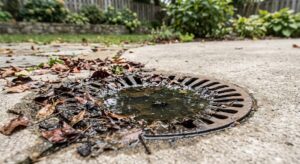
Southern house mosquitoes commonly breed in standing water. They are particularly associated with water containing organic material, including neglected drains and other polluted water sources.
Check the following areas around your home:
|
Potential breeding site |
What to look for |
Recommended action |
|---|---|---|
|
Buckets and containers |
Rainwater left standing for several days |
Empty, scrub and store upside down |
|
Clogged gutters |
Leaves, debris and trapped water |
Remove debris and correct drainage |
|
Outdoor drains |
Stagnant, organically polluted water |
Clear blockages and correct drainage |
|
Discarded tires |
Rainwater collecting inside |
Remove, cover or store under shelter |
|
Plant saucers |
Water remaining beneath pots |
Empty regularly |
|
Unused equipment |
Rainwater trapped in recesses |
Drain, cover or store indoors |
|
Water storage containers |
Uncovered or poorly maintained water |
Keep securely covered |
|
Low-lying areas |
Persistent puddles |
Improve drainage where practical |
Not every puddle will support southern house mosquitoes, but persistent standing water deserves attention. Pay particular attention to neglected drains, containers and areas that collect rainwater.
Southern House Mosquito Health Risks
Southern house mosquitoes are medically important because they can transmit pathogens.
They are associated with the transmission cycles of:
-
West Nile virus: An infection that can cause fever and, in some cases, serious neurological illness.
-
St. Louis encephalitis virus: A mosquito-borne virus that can cause inflammation of the brain.
-
Other pathogens: The species is also an important vector of avian malaria parasites and can transmit canine heartworm (Dirofilaria immitis) to dogs.
The presence of southern house mosquitoes does not mean that every mosquito carries a pathogen or that every bite will cause illness. However, reducing exposure is an important part of protecting people and pets.
Use window screens, wear appropriate protective clothing and apply a locally approved mosquito repellent according to its label. Ask a veterinarian about appropriate heartworm prevention for dogs.
How to Get Rid of Southern House Mosquitoes by Infestation Level
The right approach depends on how many mosquitoes you encounter, where they are appearing and whether you can locate their breeding sites.
LIGHT
Occasional mosquitoes
What to do

-
Empty buckets, plant saucers and other water-holding containers.
-
Remove leaves and debris from gutters.
-
Repair window screens and keep doors closed.
-
Use Summit Mosquito Dunks in suitable standing water that cannot be emptied, provided the label permits the application.
Main goal: Stop new mosquitoes from developing.
MODERATE
Regular mosquito activity
What to do
-
Continue eliminating standing water and check less obvious breeding sites.
-
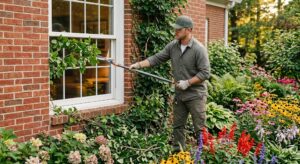
Trim excessive vegetation where it obstructs inspection or airflow.
-
Consider a suitable outdoor product, such as Wondercide Outdoor Pest Control Spray Concentrate, following its label.
-
Use a Safer Brand Flying Insect Light Trap indoors as supplemental control where appropriate.
Main goal: Reduce breeding and manage adult mosquitoes around living areas.
SEVERE
Persistent, widespread activity
What to do
-
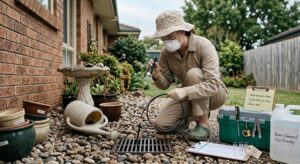
Inspecting drains and other areas of the landscape for mosquito breeding sites
-
Correct drainage problems and remove recurring breeding habitats.
-
Consider professional mosquito control for persistent or widespread infestations.
-
Use products containing bifenthrin, such as Atticus Talak 7.9% Bifenthrin Concentrate, only for applications expressly permitted by the current label.
Main goal: Identify hidden sources and combine appropriate control measures.
Best Products for Southern House Mosquito Control
The most useful products depend on the problem you are trying to solve. Larvicides target developing mosquitoes in suitable water, while adult mosquito products and traps have different purposes.
|
Product |
Best for |
How it helps |
Important consideration |
|---|---|---|---|
|
Suitable standing water |
Uses Bti to target mosquito larvae |
Use only in water and situations permitted by the label |
|
|
Supplemental outdoor control |
Provides a plant-based pest-control option |
Follow label directions and protect pollinators |
|
|
Indoor flying insects |
Uses light and an adhesive surface to capture insects |
Supplemental control, not a breeding-site treatment |
|
|
Suitable indoor areas |
Uses an electric grid to kill attracted flying insects |
Placement and safety precautions are important |
|
|
Label-approved pesticide applications |
Provides residual insecticidal control where permitted |
Concentrate requires careful label compliance |
Product availability, formulations and permitted uses may change. Always check the current product label and local regulations before purchasing or applying a pesticide.
How to Use Mosquito Control Products Effectively
1. Summit Mosquito Dunks — For Suitable Standing Water 4.5  ☆
☆

Target mosquito larvae before they become adults.
Summit Mosquito Dunks contain Bacillus thuringiensis israelensis (Bti), a biological larvicide that targets mosquito larvae in water.
They can be useful when standing water cannot easily be removed, provided the particular water source is an approved application site.
How to use them:
-
First, eliminate standing water wherever practical.
-
Identify water that cannot be emptied or drained.
-
Apply the product according to the label’s directions for the water volume and application site.
-
Reapply only as directed.
Bti is not an adult mosquito killer. It will not immediately eliminate mosquitoes that are already flying around your yard.
2. Wondercide Outdoor Pest Control Spray Concentrate — For Supplemental Outdoor Control 4.2 ☆

An option for appropriately labeled outdoor applications.
Wondercide Outdoor Pest Control Spray Concentrate is a plant-based pest-control product. It may be considered as part of a broader mosquito management program where its current label permits the intended use.
How to use it:
-
Identify the outdoor areas where treatment is appropriate.
-
Follow the dilution and application instructions on the label.
-
Avoid spraying flowering plants or areas where pollinators are actively foraging.
-
Keep children and pets away from treated areas as directed.
Do not assume that a plant-based product will eliminate an established mosquito population. Continue removing standing water and addressing entry points.
3. Safer Brand Flying Insect Light Trap — For Indoor Flying Insects 4.2 ☆

Capture some flying insects that enter the home.
The Safer Brand Flying Insect Light Trap uses light to attract flying insects toward an adhesive trapping surface. It can be useful in suitable indoor areas.
How to use it:
-
Place the trap in an appropriate indoor location, following its instructions.
-
Avoid placing it where outdoor light competes with its attraction.
-
Keep it away from food-preparation surfaces and out of children’s reach.
-
Replace adhesive inserts as directed.
It is a supplemental trapping tool, not a replacement for screens, repellents or eliminating mosquito breeding sites. Its effectiveness against southern house mosquitoes may vary.
4. LiBa 2800V Indoor Bug Zapper — For Supplemental Indoor Control 4.4 ☆

An additional option for flying insect control.
The LiBa 2800V Indoor Bug Zapper uses an electrified grid to kill insects that come into contact with it.
How to use it:
-
Place it in a dry location suitable for the device.
-
Follow the manufacturer’s placement and electrical safety instructions.
-
Keep it away from water, children and pets.
-
Clean and maintain it as instructed.
Bug zappers can attract and kill various flying insects, but they should not be relied upon as the primary way to control mosquitoes. Use them only where appropriate, and prioritize source reduction.
5. Atticus Talak 7.9% Bifenthrin Concentrate — For Label-Approved Applications 4.☆

A concentrated insecticide requiring careful handling.
Talak contains bifenthrin, a synthetic pyrethroid insecticide. Its use must be limited to the application sites and target pests specified on the current label.
Before using it:
-
Confirm that the current label permits the intended mosquito-control application.
-
Follow the specified dilution, application rate and protective equipment requirements.
-
Keep the product away from aquatic habitats and prevent runoff.
-
Observe all restrictions concerning people, pets and pollinators.
Do not use this concentrate for mosquito fogging or other applications unless the label explicitly authorizes them. For widespread mosquito problems, a licensed professional can help determine whether additional treatment is appropriate.
How to Prevent Southern House Mosquitoes From Returning
Long-term prevention is about making your property less suitable for mosquito breeding and reducing the opportunities for mosquitoes to enter your home.
1. Eliminate standing water
Inspect your property regularly, particularly after rainfall. Empty containers, clear clogged drains and correct drainage problems. Do not overlook small containers that can collect water.
2. Maintain gutters and drains
Clean gutters to prevent water from becoming trapped behind leaves and other debris. Keep outdoor drains free of obstructions and address persistent stagnant water.
3. Maintain window and door screens
Repair holes in mosquito screens and make sure doors close properly. Seal gaps around suitable entry points to limit mosquitoes entering your home.
4. Manage excessive vegetation
Trim overgrown vegetation where it obstructs access, inspection or airflow around your property. Vegetation management can make resting places easier to inspect, but it will not replace breeding-site removal.
5. Protect stored water
Keep water-storage containers securely covered. Inspect them regularly to ensure that mosquito adults cannot access the water to lay eggs.
6. Use personal protection
When mosquitoes are active, wear long sleeves and trousers where practical. Apply a locally approved repellent according to its label, particularly when spending time outdoors during evening and nighttime hours.
Why Do Southern House Mosquitoes Keep Coming Back?
If mosquitoes continue appearing after treatment, the underlying problem may still be present.
|
Possible reason |
What may be happening |
What to do |
|---|---|---|
|
Hidden breeding sites |
Water remains in drains, containers or neglected areas |
Inspect the property more thoroughly |
|
Incomplete water removal |
Some containers or puddles were missed |
Repeat the inspection after rainfall |
|
Open entry points |
Mosquitoes enter through damaged screens or open doors |
Repair screens and improve exclusion |
|
Adult mosquitoes remain |
Existing adults may continue biting after larval control |
Use appropriate personal protection and supplemental control |
|
Nearby breeding sites |
Mosquitoes may originate from neighboring properties or public areas |
Focus on your property and seek local assistance if necessary |
|
Incorrect product use |
A treatment may not have been suitable for the target or application site |
Review the label and reassess the control method |
Mosquito control is not always immediate. Even after breeding sites have been addressed, adult mosquitoes that are already present may remain active for a while. Reinspect your property and assess whether mosquito activity is actually decreasing before adding more treatments.
When to Call a Professional Mosquito Control Service
Professional assistance may be appropriate when mosquito activity remains high despite consistent prevention and source reduction.
Consider professional help when:
-
Mosquitoes are numerous throughout the property and remain a persistent problem.
-
Breeding sites are difficult to access or cannot be safely treated.
-
Drains or other water sources repeatedly produce mosquitoes.
-
You cannot determine where the mosquitoes are coming from.
-
Previous control measures have not provided adequate relief.
A qualified pest-control professional can inspect the property, identify likely breeding areas and determine which treatments are suitable. Ask about the proposed application, its expected results, safety precautions and any restrictions on outdoor activities following treatment.
Southern House Mosquito Control: At-a-Glance Guide
|
Infestation level |
First priority |
Supplemental product |
Main objective |
|---|---|---|---|
|
Light
|
Empty standing water and repair screens |
Summit Mosquito Dunks, where appropriate |
Prevent larvae from developing |
|
Moderate
|
Eliminate breeding sites and inspect resting areas |
Wondercide or indoor traps, where suitable |
Reduce ongoing activity |
|
Severe
|
Identify hidden breeding sites and persistent water problems |
Label-approved professional or pesticide treatments |
Address widespread or recurring activity |
|
Prevention
|
Maintain drainage, screens and covered water storage |
Repellent when needed |
Reduce future exposure |
Frequently Asked Questions
1. What attracts southern house mosquitoes to a home?
Southern house mosquitoes are attracted to hosts by cues such as carbon dioxide, body odors and other chemical signals. Standing water near a home can also provide suitable breeding habitat, increasing the likelihood of mosquito activity around the property.
2. Are southern house mosquitoes active at night?
Yes. They are primarily nighttime biters, with activity often increasing around dusk and continuing into the night. However, their activity can vary with weather and local conditions.
3. Where do southern house mosquitoes lay their eggs?
Females typically lay their eggs in rafts on standing water. Suitable sites can include neglected drains, containers and other water sources containing organic material.
4. Do southern house mosquitoes breed in dirty water?
They can breed in organically polluted standing water, including some neglected drains and wastewater habitats. However, the presence of dirty water alone does not confirm that southern house mosquitoes are breeding there.
5. Do mosquito dunks kill adult southern house mosquitoes?
No. Summit Mosquito Dunks contain Bti, which targets mosquito larvae in suitable water. They do not kill adult mosquitoes that are already flying around your property.
6. Will spraying my yard eliminate southern house mosquitoes?
Spraying may reduce adult mosquito activity when an appropriate product is applied correctly, but it does not necessarily eliminate the source of an infestation. Persistent breeding sites can produce new mosquitoes, so source reduction remains essential.
7. Why are southern house mosquitoes entering my home?
They can enter through open doors, damaged screens and other gaps. Repairing screens, keeping doors closed and sealing suitable openings can help reduce indoor mosquito activity.
8. Can southern house mosquitoes transmit West Nile virus?
Yes. Southern house mosquitoes are recognized as vectors involved in West Nile virus transmission. However, not every mosquito carries the virus, and the risk of infection depends on local conditions.
9. How can I control southern house mosquitoes without spraying?
Begin by removing standing water, cleaning gutters, improving drainage and repairing screens. Where water cannot be removed, an appropriately labeled larvicide may be useful. Personal repellents and suitable indoor traps can provide additional protection.
10. When should I consider professional mosquito control?
Consider professional assistance when mosquitoes remain numerous despite regular source reduction, when breeding sites are difficult to access or when repeated control efforts have not resolved the problem.
Final Thoughts: A Practical Southern House Mosquito Control Plan
Controlling southern house mosquitoes is easier when you address the problem in the right order. Start by finding and eliminating standing water, then improve your home’s protection against mosquitoes. If adult mosquitoes continue to be a problem, consider suitable supplemental products or professional assistance.
Your three-step control plan
-
Eliminate breeding sites: Empty containers, clean drains and correct standing-water problems.
-
Reduce exposure: Repair screens, use appropriate repellents and consider suitable supplemental traps or treatments.
-
Prevent recurrence: Inspect your property regularly, particularly after heavy rainfall, and seek professional help if the problem persists.
The goal is not simply to kill the mosquitoes you see. It is to make your property less suitable for the next generation.