Best Squirrel Repellent for Attic: 4 Products Worth Considering
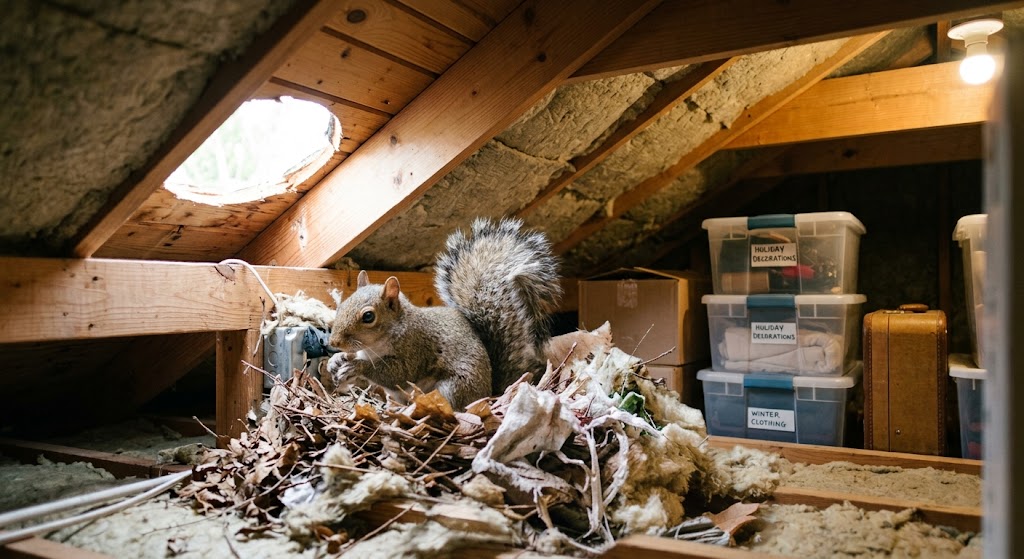
Scratching, scampering, or chewing sounds coming from your attic can be unsettling. Squirrels may look harmless when they are running around outside, but once they find a way into an attic, they can become a much bigger nuisance.
The real challenge is that squirrels can be surprisingly persistent.
If an attic provides warmth, shelter, nesting material, and a convenient way to escape bad weather, simply making noise or chasing a squirrel away may not solve the problem for good.
That’s where a squirrel repellent for attic can sometimes be useful as part of a broader strategy.
For this guide, we looked at four products that take different approaches to discouraging rodents and squirrels, including scent-based sprays, repellent packs, and ultrasonic devices:
- Mighty Mint Peppermint Oil Rodent Repellent Spray
- Nature’s MACE Squirrel Mace Spray
- 20Pack Squirrel Repellent
- PestContro Portable Ultrasonic Rodent Repeller, Cordless Non-Lethal Pest Control, Dual Frequency
The important thing to understand is that an attic is different from a garden. You aren’t simply trying to make a small outdoor area less attractive. If a squirrel has already entered your home, identifying and addressing the entry point is a major part of the solution.
Important: We have not personally tested these products. Our recommendations are based on the product type, intended use, available product information, and how each option fits common squirrel-control situations. Product formulations, package sizes, prices, availability, and directions can change, so always check the current product listing and manufacturer’s instructions before purchasing or using a repellent.
Amazon Associate Disclosure: As an Amazon Associate, BugOffControl.com may earn from qualifying purchases made through links on this page at no extra cost to you.
Our Top Squirrel Repellent Picks for Attics
Best Overall Spray: Mighty Mint Peppermint Oil Rodent Repellent Spray
Best Squirrel-Focused Spray: Nature’s MACE Squirrel Mace Spray
Best Passive Repellent Option: 20Pack Squirrel Repellent
Best Ultrasonic Option: PestContro Portable Ultrasonic Rodent Repeller
1. Best Overall — Mighty Mint Peppermint Oil Rodent Repellent Spray 4.2  ☆
☆

If you prefer a spray-based approach, Mighty Mint Peppermint Oil Rodent Repellent Spray is one of the products worth considering for your squirrel-control strategy.
A spray can be useful when you want to target particular areas rather than relying on a device or hanging several repellent products throughout a space.
The main appeal here is the peppermint-oil-based approach. For homeowners who prefer a scent-based repellent, this gives you a straightforward option to compare.
Why Consider Mighty Mint?
One of the advantages of a spray is flexibility.
You can focus your attention on appropriate areas where you have noticed signs of squirrel activity, such as travel paths or areas around potential entry points, provided the product label allows that particular application.
However, a spray should not be viewed as a substitute for repairing the opening that allowed the squirrel inside in the first place.
If a squirrel can simply find another way into the attic, even a repellent that makes one area less appealing may not solve the underlying problem.
Pros
- Easy-to-use spray format
- Peppermint-oil-based approach
- Useful for targeted applications
- No trap required
- Convenient alternative to electronic repellents
- Can be incorporated into a broader prevention strategy
Cons
- May require repeated application
- Scent-based repellents may not work equally well in every situation
- Does not physically block an attic entry point
- Not a replacement for exclusion
- Always follow the current product directions
Best For
Homeowners who prefer a peppermint-oil spray as part of a broader strategy for discouraging squirrel activity around appropriate attic or household areas.
Check the current price and availability before buying.
2. Best Squirrel-Focused Spray — Nature’s MACE Squirrel Mace Spray 3.2 ☆☆

If you specifically want a product positioned around squirrel problems, Nature’s MACE Squirrel Mace Spray is another option worth comparing.
A spray format can be convenient when the problem is concentrated in a few locations. Instead of setting up an electronic device or placing multiple repellent packs around the space, you can focus on appropriate areas according to the product’s instructions.
Why Consider Nature’s MACE?
The biggest attraction is its squirrel-focused positioning.
That can make it appealing to homeowners who aren’t simply dealing with a general rodent concern and want to compare a product specifically marketed for squirrels.
As with any repellent, though, results can depend on the circumstances. A squirrel that has already established a nest or found a reliable entry point may be more difficult to discourage than one that is simply exploring an area.
Pros
- Squirrel-focused product
- Convenient spray format
- Useful for targeted applications
- Doesn’t require a trap
- Can complement an exclusion strategy
Cons
- May need reapplication
- Results can vary depending on squirrel activity
- Doesn’t seal openings
- Not a complete solution for an established attic infestation
- Application instructions should be followed carefully
Best For
Homeowners who want a squirrel-focused spray and prefer a targeted application method.
Check the current price and availability before buying.
3. Best Passive Repellent Option — 20Pack Squirrel Repellent 3.4 ☆☆

If you would rather not spray an attic, the 20Pack Squirrel Repellent offers a different type of approach.
A multi-pack can be interesting when you have several areas that need attention or want to distribute repellent products around a larger space.
Instead of concentrating everything in one location, multiple individual repellent units can potentially be positioned around appropriate areas according to their instructions.
Why Consider the 20Pack Squirrel Repellent?
The biggest advantage is quantity and convenience.
If you’re dealing with a larger attic, garage, shed, crawlspace, or other area where squirrels may be exploring, having multiple repellent units can give you more flexibility than purchasing a single product.
However, more repellent doesn’t automatically mean better results.
You still need to determine how squirrels are getting into the structure and whether there are food, nesting, or shelter opportunities keeping them interested.
Pros
- Multi-pack format
- Convenient for treating multiple areas
- No spraying required
- Can be used as part of a broader prevention plan
- Useful for homeowners who prefer a passive approach
Cons
- Effectiveness can vary
- Does not physically prevent entry
- Multiple units may not solve an established infestation
- Placement matters
- Follow the manufacturer’s instructions
Best For
Homeowners looking for a multi-pack squirrel-repellent option that can be distributed around appropriate areas rather than relying on a single application point.
Check the current price and availability before buying.
4. Best Ultrasonic Option — PestContro Portable Ultrasonic Rodent Repeller 3.7 ☆☆

If you would rather avoid sprays altogether, the PestContro Portable Ultrasonic Rodent Repeller, Cordless Non-Lethal Pest Control, Dual Frequency takes a completely different approach.
Instead of relying on a scent, an ultrasonic repeller is designed to use sound frequencies as part of a non-lethal pest-deterrence strategy.
The cordless and portable design may also be appealing if you want something that can be moved between appropriate areas.
Why Consider PestContro?
The main attraction is the electronic approach.
Some homeowners simply don’t want to spray products inside an attic, particularly when they are looking for a low-maintenance option that doesn’t involve repeatedly applying a liquid.
The portable design can also provide some flexibility when you’re trying to determine where squirrel activity is concentrated.
That said, an ultrasonic device should not be treated as a guaranteed solution. Attic layout, walls, insulation, stored belongings, and other physical conditions can influence how a device is used and where its signal reaches.
Pros
- Ultrasonic approach
- Cordless and portable design
- Non-lethal pest-control method
- No liquid spray
- Can be moved between appropriate areas
- Different approach from scent-based repellents
Cons
- Results may vary
- Placement can affect performance
- Does not seal entry points
- Not a replacement for exclusion
- May not solve an established squirrel problem by itself
Best For
Homeowners who prefer an ultrasonic squirrel and rodent deterrent instead of a spray or scent-based repellent.
Check the current price and availability before buying.
Squirrel Repellents Compared
| Product | Best For | Format / Approach | Main Reason to Consider |
|---|---|---|---|
| Mighty Mint Peppermint Oil Rodent Repellent Spray | Best Overall Spray | Peppermint-oil spray | Targeted scent-based approach |
| Nature’s MACE Squirrel Mace Spray | Best Squirrel-Focused Spray | Spray | Specifically positioned for squirrels |
| 20Pack Squirrel Repellent | Best Passive Option | Multi-pack repellent | Convenient for multiple areas |
| PestContro Portable Ultrasonic Rodent Repeller | Best Ultrasonic Option | Ultrasonic device | Cordless, non-lethal approach |
Product formulations, package sizes, prices, availability, and approved uses can change. Always verify the current product listing and manufacturer’s directions before purchasing or using a repellent.
Which Squirrel Repellent Is Best for an Attic?
There isn’t one product that will be the perfect choice for every attic.
The better option depends on how serious the squirrel problem is, whether a squirrel is currently inside, and which type of repellent you prefer.
If you prefer a spray
Mighty Mint Peppermint Oil Rodent Repellent Spray is worth considering if you like a peppermint-oil-based approach.
If you want a squirrel-focused spray
Nature’s MACE Squirrel Mace Spray may be a better fit if you specifically want a product positioned around squirrel problems.
If you want multiple repellent units
The 20Pack Squirrel Repellent may be worth considering if you want several individual repellent products rather than a single spray or electronic device.
If you don’t want to spray
The PestContro Portable Ultrasonic Rodent Repeller provides an electronic alternative for homeowners who prefer a non-spray approach.
How to Keep Squirrels Out of Your Attic
A squirrel repellent can be useful, but it shouldn’t be the only thing you do.
The biggest mistake is treating the repellent as if it will permanently keep squirrels out while leaving the entry point untouched.
1. Find How the Squirrel Is Getting Inside
Start by inspecting the outside of your home.
Look carefully around:
- Roof vents
- Soffits
- Fascia
- Roof edges
- Chimneys
- Damaged roofing
- Roof intersections
- Utility penetrations
- Other openings around the attic
Even a relatively small damaged area can provide an opportunity for wildlife to get inside.
2. Don’t Seal an Opening Too Quickly
This is extremely important.
If you believe a squirrel is currently inside the attic, don’t simply close the opening immediately.
You could accidentally trap the animal inside.
The goal should be to determine whether the attic is occupied before permanently sealing an entry point.
3. Remove Easy Attractants
Squirrels may be attracted to an attic because it offers more than just an entrance.
Look for accessible food, nesting material, or other conditions that could make the space appealing.
Outside the home, also consider bird feeders, spilled seed, fallen fruit, and other readily available food sources.
4. Inspect for Damage
Once squirrel activity is suspected, inspect the attic and surrounding structure for signs of damage.
Look for:
- Chewed materials
- Damaged insulation
- Nesting material
- Droppings
- Gnaw marks
- Damaged vents or screens
- Entry holes
If you find significant damage, addressing the repair should become part of your overall plan.
5. Use a Repellent as a Supporting Tool
This is where a product such as a spray, repellent pack, or ultrasonic device can fit into the strategy.
Rather than expecting the product to solve everything, think of it as one part of a larger process:
Identify entry point → address the squirrel → discourage return → repair the opening → prevent future access
That approach makes much more sense than relying on a repellent alone.
6. Consider Professional Wildlife Control
If squirrels have established themselves inside the attic, professional assistance may be the safest option.
This is especially important if you’re unsure whether young squirrels are present, can’t determine how the animals are entering, or discover extensive damage.
Wildlife regulations can also vary by location, so make sure any removal or exclusion work follows applicable local requirements.
Are Squirrel Repellents Enough to Keep Squirrels Out of an Attic?
Usually, you shouldn’t expect a repellent to do all the work.
Repellents are generally intended to make an area less appealing rather than create a permanent physical barrier.
An attic is also a particularly challenging environment because the squirrel may already consider it a safe nesting location.
If there is an easy entrance, the animal may continue looking for ways back inside.
That’s why exclusion is one of the most important parts of long-term squirrel prevention.
A repellent can be one piece of the puzzle, but repairing the access point is what helps prevent the same problem from happening again.
Spray vs. Ultrasonic Squirrel Repellent for an Attic
Both approaches have advantages, and the better choice depends on your preferences.
Spray Repellents
A spray such as Mighty Mint or Nature’s MACE may appeal to homeowners who want to target specific areas.
Advantages:
- Easy to apply
- Targeted approach
- No electronic equipment
- Useful for appropriate surfaces or areas
Potential drawbacks:
- May require reapplication
- Scent can diminish over time
- Doesn’t block an entry point
- Application must follow the product label
Ultrasonic Repellents
A product such as the PestContro unit provides a different approach.
Advantages:
- No liquid
- Portable
- Non-lethal approach
- Can be repositioned
Potential drawbacks:
- Results can vary
- Placement is important
- Physical barriers are still necessary
- Not a substitute for repairing entry points
What Should You Do If a Squirrel Is Already in the Attic?
This is where you should slow down rather than immediately reaching for a repellent.
First, determine whether the animal is still inside.
Listen for scratching and movement, especially during periods when squirrels are normally active. Inspect the attic and exterior for signs of entry and nesting.
Most importantly, don’t seal the only suspected exit while the squirrel may still be inside.
If you’re uncertain about what you’re seeing, contacting a qualified wildlife-control professional can help you avoid accidentally trapping an animal or overlooking damage.
Natural vs. Ultrasonic Squirrel Repellents
There are several different approaches to squirrel deterrence, and homeowners naturally have different preferences.
Some people prefer scent-based products such as peppermint-oil sprays. Others would rather use an electronic device and avoid applying a liquid inside the home.
Neither approach should automatically be considered the perfect solution.
Instead, ask yourself:
Is the squirrel already inside the attic?
Where is it getting in?
Do I prefer a spray or electronic device?
Can I repair the entry point?
Are there food or nesting attractants nearby?
Those questions will usually help you choose a more practical approach.
Frequently Asked Questions About Squirrel Repellents for Attics
1. What is the best squirrel repellent for an attic?
There isn’t one product that will work best in every attic.
If you prefer a spray, Mighty Mint Peppermint Oil Rodent Repellent Spray and Nature’s MACE Squirrel Mace Spray are options to compare.
If you prefer an electronic approach, PestContro Portable Ultrasonic Rodent Repeller provides a different option.
2. Will peppermint oil keep squirrels out of my attic?
Peppermint-oil-based products can be used as part of a scent-based deterrence strategy, but you shouldn’t rely on peppermint oil alone to keep squirrels out permanently.
If there is an accessible hole or damaged vent, repairing the entry point is much more important for long-term prevention.
3. Do ultrasonic squirrel repellents really work?
Ultrasonic repellents may help discourage some pest activity, but results can vary.
The attic’s layout, placement of the device, and the behavior of the animal can all affect the outcome.
An ultrasonic device should be considered a supporting tool rather than a guaranteed solution.
4. Can I use squirrel repellent if a squirrel is already inside?
You should first determine whether the squirrel is still inside.
Using a repellent without addressing the animal’s location can create additional problems, particularly if you accidentally block its exit or trap it inside.
5. How do I stop squirrels from coming back into my attic?
The most important step is finding and repairing the entry point.
Inspect the roofline, vents, soffits, fascia, chimneys, and other vulnerable areas. Once you’re certain the attic is clear, repair the opening with appropriate materials.
6. Should I use more than one squirrel repellent?
Using different control methods can make sense, but more products don’t automatically mean better results.
A more practical combination may be a suitable repellent, physical exclusion, removal of attractants, and regular inspection of vulnerable areas.
Don’t mix or combine products unless the manufacturers specifically say that doing so is appropriate.
7. How often should squirrel repellent be reapplied?
There isn’t one universal schedule.
Always follow the instructions for the specific product you’re using. Environmental conditions and the product’s formulation can affect how long a repellent remains effective.
8. Is it safe to use squirrel repellent inside an attic?
That depends entirely on the product.
Never assume an outdoor repellent is automatically appropriate for an enclosed attic.
Read the current label carefully and follow the manufacturer’s instructions regarding where the product can be used.
9. Can squirrels damage an attic?
Yes. Squirrels can cause problems by chewing materials, disturbing insulation, building nests, and damaging parts of the structure.
If you suspect significant damage, inspect the attic carefully and consider professional assistance.
10. Should I seal a squirrel’s entry hole immediately?
Not if you think the squirrel may still be inside.
Sealing an occupied entry point can trap the animal inside. Confirm that the attic is clear before completing permanent exclusion work.
Final Verdict: Which Squirrel Repellent Should You Buy?
The best squirrel repellent for attic problems depends on the type of product you prefer and, more importantly, whether the squirrel is still using the attic.
Best Overall Spray: Mighty Mint Peppermint Oil Rodent Repellent Spray
A convenient option to compare if you prefer a peppermint-oil-based spray and want a targeted approach.
Best Squirrel-Focused Spray: Nature’s MACE Squirrel Mace Spray
Worth considering if you specifically want a spray positioned around squirrel problems.
Best Passive Option: 20Pack Squirrel Repellent
A practical choice to compare if you want multiple repellent units that can be placed around appropriate areas.
Best Ultrasonic Option: PestContro Portable Ultrasonic Rodent Repeller
A good option to consider if you prefer a cordless, non-lethal electronic approach rather than a spray.
The Bottom Line
Finding squirrels in your attic is frustrating, but a repellent shouldn’t be viewed as the entire solution.
The first question to answer is how the squirrel is getting inside.
Once you’ve identified the entry point, deal with the animal appropriately, make sure it is no longer inside, and then repair the opening so another squirrel can’t simply move in.
For homeowners who want an additional deterrent, products such as Mighty Mint, Nature’s MACE, the 20Pack Squirrel Repellent, and PestContro Ultrasonic Repeller give you several approaches to compare.
The key is to combine the repellent with good prevention:
Find the entry point + remove attractants + address the squirrel + repair the opening + monitor the area
That’s a much stronger strategy than expecting one bottle or device to solve an attic squirrel problem by itself.
Prices, formulations, package sizes, availability, approved uses, and product directions can change. Check the current product listing and read the manufacturer’s label before purchasing or applying any repellent.