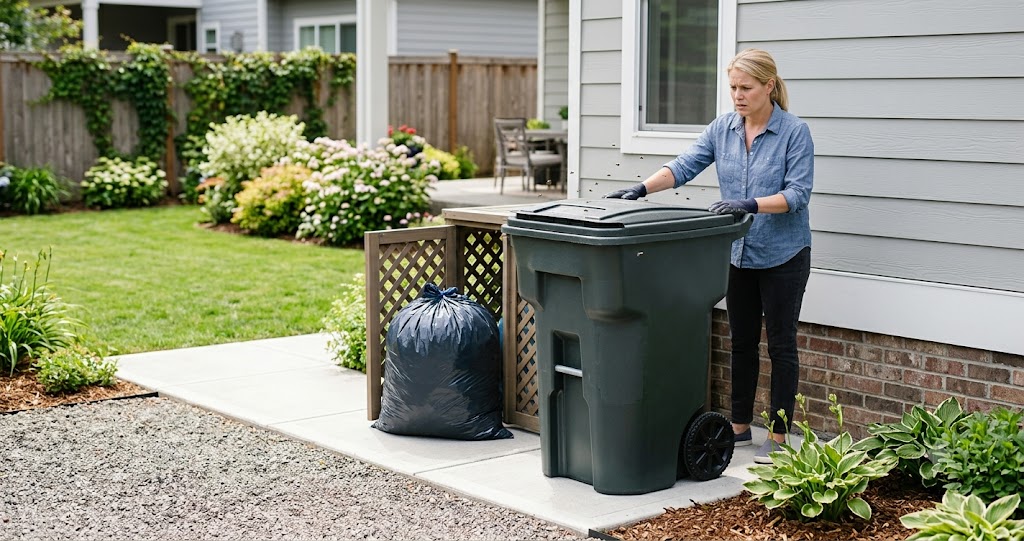
How to Keep Flies Away From Garbage Cans: 10 Easy Tips That Work

Few things are more annoying than opening your garbage can and seeing a cloud of flies buzzing around the lid. Flies are attracted to garbage because it can provide food, moisture, odors, and, in some cases, a place to lay their eggs.
The good news is that you don’t have to simply put up with them. A combination of better garbage-can hygiene, proper food-waste handling, odor control, and the right fly-control products can make your trash area much less attractive to flies.
In this guide, we’ll cover how to keep flies away from garbage cans, what attracts them in the first place, and what you can do if flies are already becoming a problem.
Why Are Flies Attracted to Garbage Cans?
Garbage cans can be an ideal environment for flies, particularly during warm weather. Food scraps, spilled liquids, rotting organic material, and strong odors can quickly attract adult flies.
A garbage can may also become attractive when:
- Food waste is left uncovered
- Trash bags leak inside the can
- The lid does not close properly
- The garbage can isn’t cleaned regularly
- Wet garbage remains in the bottom
- Food containers are thrown away with residue still inside
- The area around the can contains spilled food or liquids
- Garbage sits outside for several days in hot weather
Simply killing the flies you see may provide temporary relief, but eliminating the things attracting them is a much better long-term strategy.
Disclosure: As an Amazon Associate, BugOffControl.com earns from qualifying purchases. This helps support our website at no additional cost to you.
1. Keep the Garbage Can Clean
One of the simplest ways to discourage flies is to keep the inside and outside of your garbage can clean.
Even when you remove the trash, food residue and liquids can remain behind. Those leftovers can continue producing odors that attract flies.
Every so often, empty the can completely and wash the inside with soap and water. Pay particular attention to the bottom, corners, lid, and areas where garbage bags commonly leak.
After cleaning, allow the can to dry thoroughly before putting a new garbage bag inside.
Tip: Don’t forget the outside of the garbage can. Food, grease, or sugary liquids spilled around the lid or handles can also attract flies.
2. Use a Tight-Fitting Lid
A garbage-can lid is one of your first lines of defense.
If flies can easily enter and leave the container, odors from the garbage can attract even more insects. A properly fitting lid helps contain those odors and makes it harder for flies to reach the waste.
Check your lid regularly for cracks, damage, or warping. If the lid no longer fits securely, replacing it may be worthwhile.
If you have an outdoor garbage can, keeping the lid closed whenever you’re adding or removing trash can make a noticeable difference.
Consider Upgrading to a Fly-Resistant Garbage Bin
If your garbage can has a loose lid, cracks, gaps, or other damage, it may be time for an upgrade. A well-designed garbage bin with a secure, tight-fitting lid can make it harder for flies to reach the waste inside while also helping contain unpleasant odors.
When shopping for a new garbage bin, look for features such as:
- A secure-fitting lid that stays closed
- A sturdy, durable construction suitable for outdoor use
- A smooth interior that’s easier to clean
- A properly sized opening that makes it easier to use without leaving the lid open
- Wheels or sturdy handles if you need to move the bin regularly
- A design that helps keep animals and insects out
A better garbage bin won’t eliminate flies by itself, but it can make your overall fly-prevention routine much easier.
Shopping for a new garbage bin? Compare the available options and look for a model with a secure lid and durable outdoor construction that fits your household’s needs.
3. Seal Food Waste Before Throwing It Away
Food scraps are one of the biggest reasons flies are attracted to garbage.
Instead of placing particularly smelly or wet food waste directly into the garbage can, seal it in a separate bag first.
This is especially helpful for things such as:
- Meat and seafood scraps
- Fruit and vegetable waste
- Leftover cooked food
- Pet food
- Dairy products
- Greasy food waste
A securely tied bag creates another barrier between the food and the flies.
During very hot weather, this simple step can be especially useful because food odors and decomposition can happen much faster.
4. Rinse Food Containers Before Tossing Them
Empty food containers can still contain enough residue to attract flies.
Before throwing away containers that held sugary drinks, sauces, meat, fruit, or other foods, rinse out as much of the remaining material as possible.
You don’t need to make every piece of trash spotless. The goal is simply to reduce the amount of food residue sitting in your garbage.
Less food residue means fewer attractive smells and feeding opportunities for flies.
5. Keep the Area Around the Garbage Can Clean
Sometimes the garbage can isn’t the only problem.
A small amount of spilled food or liquid around the container can attract flies even when the garbage itself is securely covered.
Check the ground around your trash cans regularly. Clean up:
- Food spills
- Sticky drinks
- Garbage that has fallen from bags
- Pet waste
- Rotten organic material
- Leaking liquids
If the garbage cans are located on a patio, driveway, or other hard surface, cleaning the surrounding area can help remove lingering odors.
6. Reduce Garbage-Can Odors
Flies have an excellent ability to detect food odors. Reducing those odors can make your garbage less attractive.
Keeping waste sealed is one of the best approaches, but you can also reduce odors by cleaning the garbage can regularly and avoiding the buildup of wet organic material.
Don’t rely on a strong fragrance alone to solve a fly problem. Masking an odor doesn’t remove the food residue or organic material that may be attracting the insects.
The goal is to remove the source rather than simply cover it up.
7. Empty the Garbage Can Regularly
The longer food waste remains inside a warm garbage can, the more attractive it can become to flies.
If your garbage contains a lot of food waste, don’t wait until the container is completely full before taking it out.
Regular garbage collection is particularly important during hot weather. Warm temperatures can accelerate decomposition and create stronger odors.
If possible, keep particularly smelly food waste out of the garbage can for longer than necessary.
8. Consider a Garbage-Can Insect Control Product
If you regularly deal with flies around outdoor garbage cans, a product specifically designed for garbage-can insect control can provide another layer of protection.
These products are different from simply spraying a household insecticide around the trash area. Some are designed to attach to or work around garbage containers and provide longer-lasting insect control.
When choosing one, look at:
- How long the product is designed to work
- Which insects it targets
- Whether it is intended for outdoor use
- How it should be positioned
- Any safety precautions listed by the manufacturer
Use these products according to the manufacturer’s directions, particularly around children, pets, food, and areas where people regularly come into contact with the garbage can.
9. Use a Fly Trap When Prevention Isn’t Enough
Sometimes you’ve done everything right and flies are still hanging around.
That’s when a fly trap can become a useful part of your control strategy.
Traps work differently depending on the type. Some attract flies with bait, while others use light, adhesive surfaces, or other mechanisms to capture flying insects.
For garbage cans, choose a trap designed for the type of flies you’re dealing with and the location where you’ll use it.
If you’re specifically looking for products designed to control flies around trash containers, take a look at our guide to [Best Fly Traps For Garbage Cans].
That guide focuses on choosing fly traps, while this article focuses on preventing flies from being attracted to your garbage in the first place.
10. Don’t Let Wet Garbage Sit in the Bottom
Moisture can make a garbage can much more attractive to flies.
Leaking bags, leftover liquids, food scraps, and rainwater can collect at the bottom of an outdoor garbage can. Once organic material begins breaking down, it can produce odors that attract flies.
Use strong, properly sized garbage bags and make sure liquids are not being poured directly into the garbage.
If a bag leaks, clean the garbage can as soon as possible rather than allowing the residue to remain inside.
What to Do If Flies Are Already Around Your Garbage Can
If you already have a noticeable fly problem, start by removing whatever is attracting them.
Step 1: Remove the garbage
Take the garbage bag out and place it in the appropriate collection area.
Step 2: Inspect the can
Look inside for leaked liquids, food residue, maggots, or other organic material.
Step 3: Clean the garbage can
Wash the interior, lid, handles, and exterior surfaces where residue has accumulated.
Step 4: Clean the surrounding area
Remove spilled food, liquids, dead vegetation, pet waste, and other potential attractants.
Step 5: Replace damaged garbage bags or lids
A leaking bag or poorly fitting lid can allow the problem to return.
Step 6: Add appropriate fly control if necessary
If adult flies continue gathering around the garbage can, a suitable fly trap or garbage-can insect-control product may provide additional control.
The key is to combine removal of the attractant with fly control rather than relying on traps alone.
Natural Ways to Help Keep Flies Away From Garbage Cans
If you prefer a more natural approach, there are several simple practices you can try.
Keeping garbage tightly sealed and the container clean should always be your first step.
Some homeowners also use strong-smelling plants or household materials as supplemental deterrents. However, natural repellents generally shouldn’t be considered a replacement for proper sanitation.
The most dependable “natural” fly-control strategy is actually quite simple:
Remove the food, moisture, odors, and breeding opportunities that attract flies.
What About Spraying Insecticide Around the Garbage Can?
An insecticide may kill flies that are present, but spraying alone doesn’t address why they’re there.
If food waste, leaking garbage, or an unclean container continues attracting flies, new insects can simply arrive after the spray wears off.
If you choose to use an insecticide, make sure the product is labeled for the intended location and follow all application and safety instructions carefully.
For ongoing problems, focus first on sanitation and exclusion, then use an appropriate control product when necessary.
How to Keep Flies Away From Garbage Cans in Summer
Hot weather can make garbage-can fly problems much worse.
During the summer:
- Take food-heavy garbage out more frequently
- Keep the lid tightly closed
- Double-bag particularly wet or smelly waste
- Clean the garbage can more often
- Keep the area around the can free of food and spills
- Don’t allow rainwater to collect inside the container
- Consider additional fly control if flies remain persistent
The warmer the conditions, the faster organic waste can break down, so staying ahead of the problem is especially important.
How to Keep Flies Away From Outdoor Garbage Cans
Outdoor garbage cans require a little extra attention because they’re exposed to heat, rain, wind, and insects.
Place the cans on a clean, hard surface when possible and keep them away from areas where food is regularly prepared or consumed.
Make sure the lid fits properly and doesn’t remain partially open. If animals frequently knock the lid off, consider a garbage can with a more secure lid.
Keeping the surrounding area clean is equally important. A spotless garbage can won’t help much if food scraps and spilled drinks are scattered around it.
When Should You Use a Fly Trap?
A fly trap makes the most sense when prevention alone isn’t keeping the fly population under control.
For example, you may want to consider one when:
- Flies continue gathering around a clean garbage can
- You live in a hot climate
- Your outdoor garbage contains food waste frequently
- You have multiple garbage cans
- Flies are becoming a recurring seasonal problem
A trap should be viewed as one part of your overall fly-control strategy, rather than the only solution.
Best Products for Keeping Flies Away From Garbage Cans
You don’t necessarily need several different products to manage flies around your garbage cans.
A practical setup might include:
1. A garbage-can insect-control product
Useful when you want ongoing protection around the container.
2. A suitable fly trap
Helpful when adult flies continue to gather around the garbage.
3. Heavy-duty garbage bags
A simple but important way to reduce leaks and exposed food waste.
4. A garbage-can cleaning solution
Keeping the container clean helps eliminate odors and organic residue.
When choosing products, think about the actual source of your fly problem rather than buying the largest number of pest-control products available.
The Best Way to Keep Flies Away From Garbage Cans
The most effective approach isn’t usually one magic product. It’s a combination of several simple habits.
Keep food waste sealed, use garbage bags that don’t leak, close the lid securely, clean the container regularly, and keep the surrounding area free of food and liquid spills.
If flies continue to be a problem, add an appropriate garbage-can insect-control product or fly trap.
The basic formula is simple:
Remove the attraction → keep flies out → control the flies that remain.
By following these steps consistently, you can make your garbage cans much less inviting to flies and reduce the chances of dealing with a persistent infestation.
Frequently Asked Questions
Why are there so many flies around my garbage can?
Flies are attracted to food odors, decomposing organic material, moisture, and other waste inside or around garbage cans. Leaking bags and uncovered garbage can make the problem worse.
Does keeping the garbage-can lid closed help?
Yes. A properly fitting, closed lid can help reduce odors escaping from the container and makes it harder for flies to reach the garbage.
How often should I clean my garbage can?
There’s no single schedule that works for every household, but cleaning the can whenever food residue or leaking garbage accumulates is a good practice. During hot weather, you may need to clean it more frequently.
Will a fly trap get rid of flies around my garbage can?
A fly trap can help reduce adult flies, but it won’t remove the source attracting them. For better long-term control, combine trapping with sanitation, sealed garbage, and proper garbage-can maintenance.
How do I stop flies from breeding in my garbage can?
Start by removing old garbage and cleaning away food residue, liquids, and decomposing material. Keep future waste sealed and avoid allowing wet organic material to accumulate inside the container.
Are garbage-can insect-control products worth using?
They can be useful when flies and other insects remain a recurring problem despite good sanitation. Choose a product intended for the location and insects you’re trying to control, and always follow the manufacturer’s instructions.
7. What smell keeps flies away from garbage cans?
Flies generally dislike certain strong scents, but scent-based deterrents should be considered a supplemental measure rather than a replacement for sanitation. Keeping food waste sealed, cleaning the garbage can, and removing spills are usually more reliable ways to discourage flies.
8. Does vinegar keep flies away from garbage cans?
Vinegar may help in some situations, but it isn’t a dependable long-term solution for garbage-can fly problems. If you use it, don’t rely on it alone. Keeping the garbage can clean and eliminating food residue and odors is much more important.
9. Why do flies come back after I clean my garbage can?
Flies may return because something nearby is still attracting them. Check for leaking garbage bags, food spills around the can, uncovered waste, pet waste, standing water, or organic material in nearby areas. A clean garbage can can still attract flies if the surrounding area provides a food source.
10. Can I prevent flies from coming back after removing them?
Yes. The best way to reduce repeat problems is to remove the conditions that attract flies. Keep garbage securely covered, seal food waste, clean the container regularly, take out food-heavy garbage promptly, and consider a suitable fly trap or insect-control product when needed.
Final Thoughts
Keeping flies away from garbage cans doesn’t have to be difficult. The biggest difference usually comes from removing the things that attract them in the first place.
Keep your garbage sealed, clean the container regularly, prevent leaks, control odors, and keep the surrounding area clean. When those measures aren’t enough, a properly selected fly trap or garbage-can insect-control product can provide another layer of protection.
And if you’re ready to compare specific traps for your garbage cans, check out our [Best Fly Traps For Garbage Cans] guide for product-focused recommendations.