A Coast-to-Coast Fall Pest Playbook-Your Regional Fall Garden Pest Prevention Guide
Safe, Smart Strategies to Defend Your Autumn Harvest
As crisp autumn air rolls in and we trade iced coffees for warm apple cider, an important seasonal change is happening right beneath our feet, throughout our gardens, and around the outside of our homes. While we are busy pulling out cozy sweaters, preparing for cooler evenings, and enjoying the changing colors of fall, insects and wildlife are following a different kind of seasonal routine.
Many pests are searching for one last dependable source of food before temperatures drop. Others are looking for sheltered places to survive the winter, reproduce, or wait for warmer weather to return. Some insects gather on sunny exterior walls, slip into cracks around windows, or settle beneath loose bark. Rodents explore sheds, garages, crawl spaces, and foundations in search of protected nesting sites. Meanwhile, hungry garden pests continue feeding on vegetables, ornamental plants, and newly established seedlings.
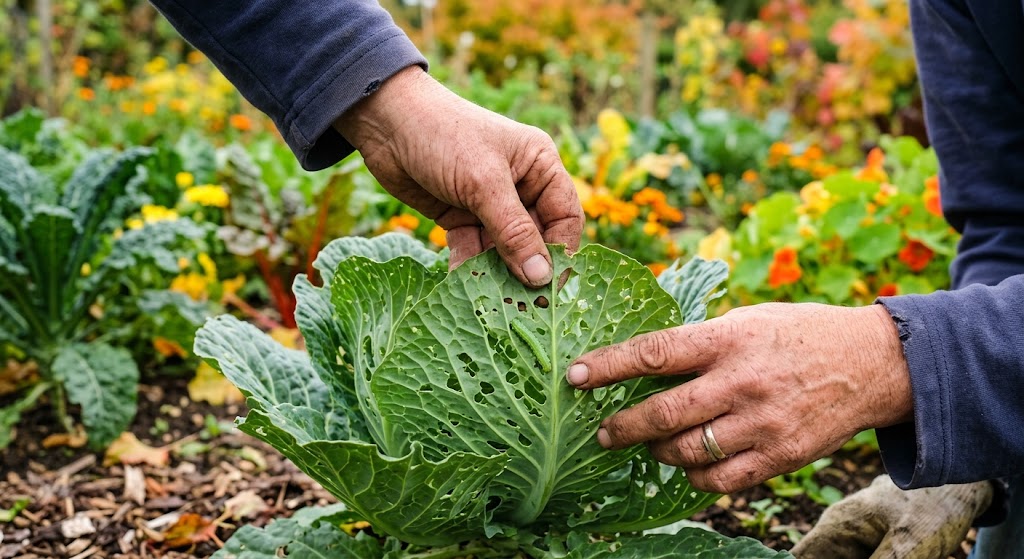
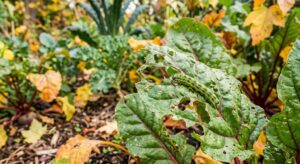
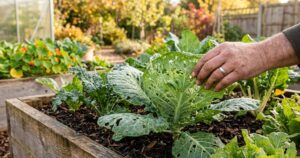
For gardeners, this seasonal activity can create a frustrating combination of problems. You may discover holes in your kale, damaged roots beneath your broccoli, slugs hiding under damp leaves, or mice investigating your storage shed. Even a garden that remained relatively pest-free throughout summer can experience a sudden increase in activity when the weather changes.
Here is the important thing to remember: fall pest pressure is not the same everywhere.
A gardener preparing for freezing temperatures in Minnesota faces a different set of challenges from someone growing vegetables in Arizona’s warm desert valleys. Gardeners in the Pacific Northwest must often contend with damp conditions and slugs, while those in the Southeast may continue battling whiteflies, aphids, and other warm-weather insects well into autumn.
Local temperatures, rainfall, humidity, plant selection, and surrounding vegetation all influence which pests are active and how they behave. That means an effective autumn pest prevention plan should reflect your regional conditions rather than rely on a single treatment for every garden.
The good news is that you do not need to cover your property in pesticides to make a difference. A combination of regular inspections, good garden sanitation, physical barriers, appropriate watering, and targeted pest management can help protect your harvest while reducing unnecessary harm to beneficial insects and other wildlife.
Let’s look at the common fall garden pests in different parts of the country, the damage they can cause, and the practical steps you can take to keep them under control.
Quick Answer: How Do You Control Fall Garden Pests?
The best way to control fall garden pests is to identify the pest first, remove unnecessary food and shelter, protect vulnerable plants with physical barriers, and use a targeted treatment only when necessary.
- Light infestation: Hand-pick visible insects, wash aphids off plants with water, remove damaged leaves when appropriate, and monitor the garden.
- Moderate infestation: Combine regular inspections with barriers, traps, and a suitable labeled product such as insecticidal soap, Bt, or an iron-phosphate slug bait.
- Severe infestation: Identify the cause, protect unaffected plants, and consider a licensed pest management professional when damage continues, the pest is difficult to control, or rodents are entering the home.
Your location matters. Slugs and caterpillars may be major concerns in cool, damp regions, while whiteflies, aphids, squash bugs, and other insects may remain active longer in warmer climates. Rodents can seek shelter around homes and sheds in many regions.
Best overall strategy: Start with prevention and targeted control rather than spraying the entire garden. Choose products according to the pest, crop, label instructions, and local conditions.
Affiliate disclosure: As an Amazon Associate, BugOffControl.com earns from qualifying purchases. If you buy through our links, we may earn a commission at no additional cost to you.
The 7 Fall Garden Pest Control Products to Consider
| Product | Best use | Problem level | Who it is for | Important limitation |
|---|---|---|---|---|
| 1. Safer Brand Insect Killing Soap | Aphids and certain soft-bodied insects | Light–moderate | Gardeners who need a targeted contact spray | Must contact susceptible pests directly; may injure sensitive plants |
| 2. Bonide Captain Jack’s Deadbug Brew | Certain labeled leaf-feeding caterpillars and other listed pests | Moderate | Gardeners dealing with susceptible chewing insects | Spinosad can harm bees and other beneficial insects when exposure occurs |
| 3. Monterey B.t. | Susceptible caterpillars on labeled crops | Light–moderate | Vegetable gardeners targeting specific caterpillars | Does not control aphids, slugs, or all caterpillar species |
| 4. Garden Safe Neem Oil Extract | Certain labeled insect and plant pest problems | Light–moderate | Gardeners seeking a neem-based option | Effectiveness varies; incorrect use may injure plants and expose beneficial insects |
| 5. Sluggo Slug & Snail Bait | Slugs and snails | Moderate | Gardeners protecting lettuce, seedlings, and ornamentals | Requires correct placement and label-compliant use; does not control insects |
| 6. TERRO Liquid Ant Baits | Certain household ant infestations | Light–moderate | Homeowners dealing with indoor ant trails | Not designed for every ant species or general garden pest control |
| 7. Victor Mouse Traps | Mice around suitable indoor or protected areas | Moderate–severe | Homeowners addressing confirmed mouse activity | Placement and exclusion are essential; traps must be kept away from children and pets |
1. Safer Brand Insect Killing Soap — Best for Aphids and Soft-Bodied Pests 4.4  ☆

Check Safer Brand Insect Killing Soap on Amazon
Best for: Aphids and certain other soft-bodied insects listed on the product label.
Problem level: Light to moderate.
Who it is for: Gardeners who have identified a manageable infestation on vegetables, ornamentals, or other plants approved on the label and want a targeted spray.
Who it is not for: Anyone expecting one treatment to eliminate every garden insect, control slugs, or reliably resolve a severe infestation without follow-up.
Advantages
- Can control susceptible insects through direct contact.
- Useful for treating localized colonies rather than spraying the entire garden.
- May fit an integrated pest management program when used according to the label.
Limitations and safe use
Insecticidal soap generally works only when the spray reaches susceptible pests. It does not provide dependable long-term protection against insects that arrive later.
Follow the product’s directions for application frequency, suitable plants, and weather restrictions. Avoid spraying drought-stressed plants or applying the product during conditions that increase the risk of leaf injury. Protect pollinators and beneficial insects by following all label precautions.
Check the latest price and availability of Safer Brand Insect Killing Soap on Amazon.
2. Bonide Captain Jack’s Deadbug Brew — Best for Certain Chewing Insects 4.4 ☆
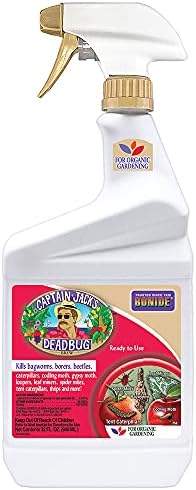
Check Bonide Captain Jack’s Deadbug Brew on Amazon
Best for: Certain caterpillars and other listed insects feeding on approved crops.
Problem level: Moderate, particularly when visible chewing damage is increasing.
Who it is for: Gardeners who have identified a susceptible pest and need a labeled treatment for a crop listed on the selected product.
Who it is not for: Gardeners dealing only with slugs, mice, or aphids, or anyone who wants a broad treatment without identifying the pest.
Advantages
- Spinosad-based formulations can control several listed insect pests.
- May be useful when hand-picking and physical barriers are insufficient.
- Can target specific feeding insects when the label supports the intended use.
Limitations and safe use
Spinosad can be hazardous to bees and other beneficial insects under certain exposure conditions. Avoid spraying flowering plants when pollinators are visiting, and follow all restrictions regarding bloom, application timing, protective equipment, and harvest intervals.
Do not assume every product bearing a similar name has identical directions. Formulations and approved uses can differ.
Compare current Captain Jack’s Deadbug Brew listings on Amazon.
3. Monterey B.t. — Best for Susceptible Caterpillars 4.4 ☆

Check Monterey B.t. products on Amazon
Best for: Susceptible caterpillars feeding on labeled vegetables and other approved plants.
Problem level: Light to moderate, especially when young caterpillars are identified early.
Who it is for: Gardeners who have confirmed a caterpillar problem and want a targeted biological insecticide.
Who it is not for: People trying to control aphids, whiteflies, slugs, mice, or caterpillar species that are not susceptible to the particular Bt formulation.
Advantages
- Bt products can target particular caterpillar pests.
- They can offer a more selective approach than many broad-spectrum insecticides.
- They are useful within an integrated pest management plan.
Limitations and safe use
Bt is not a universal insect killer. The active subspecies and product label determine which pests can be controlled. Treatments generally work best when susceptible caterpillars ingest the treated plant material at the appropriate life stage.
Follow label directions for mixing, application, storage, and repeat treatments. Do not assume that a biological product is risk-free simply because it is derived from a naturally occurring organism.
Check Monterey Bt products and current availability on Amazon.
4. Garden Safe Neem Oil Extract — Best for Selected Plant Pest Problems 4.6 ☆

Check Garden Safe Neem Oil Extract on Amazon
Best for: Certain insects and other plant pest problems listed on the selected product label.
Problem level: Light to moderate.
Who it is for: Gardeners looking for a neem-based treatment appropriate for their crop and identified pest.
Who it is not for: Anyone seeking an instant solution for a severe infestation or a product that is automatically safe for every plant, pollinator, and growing condition.
Advantages
- Offers another option for targeted pest management.
- May be appropriate for certain labeled ornamental and edible plants.
- Can complement inspection, sanitation, and physical barriers.
Limitations and safe use
Neem products vary in formulation and approved uses. Do not assume that every neem oil product controls the same pests or can be used on every crop.
Apply only as directed. Avoid treatment during conditions that increase plant injury risk, and follow label precautions for pollinators and other beneficial organisms. Test a small area first when directed, and observe for damage.
Compare Garden Safe Neem Oil Extract listings on Amazon.
5. Sluggo Slug & Snail Bait — Best for Slug and Snail Damage 4.0

Check Sluggo Slug & Snail Bait on Amazon
Best for: Slugs and snails feeding on susceptible garden plants.
Problem level: Moderate, especially when repeated feeding damages seedlings and leafy vegetables.
Who it is for: Gardeners who have confirmed slug or snail activity and need a product labeled for the affected area and plants.
Who it is not for: Anyone dealing with aphids, caterpillars, rodents, or other pests that slug bait does not control.
Advantages
- Designed specifically for slug and snail management.
- Can complement moisture management, removal of hiding places, and hand-picking.
- May reduce feeding pressure when used correctly.
Limitations and safe use
Do not assume every iron-phosphate bait has identical ingredients, directions, or restrictions. Use only the selected product according to its label, including application rates, placement, and precautions around pets and wildlife.
Bait is not a substitute for correcting conditions that support persistent slug activity. Remove unnecessary hiding places and inspect plants after wet weather.
Check Sluggo availability and compare current Amazon listings.
6. TERRO Liquid Ant Baits — Best for Certain Indoor Ant Problems 4.6 ☆

Check TERRO Liquid Ant Baits on Amazon
Best for: Certain household ants that will feed on the bait.
Problem level: Light to moderate.
Who it is for: Homeowners who have identified an indoor ant trail and can place bait securely near the ants’ route.
Who it is not for: Gardeners trying to control caterpillars or slugs, or people dealing with an ant species that does not respond to the bait formulation.
Advantages
- Can provide a targeted approach to indoor ant management.
- Allows ants to carry bait back to other members of the colony when the species and bait are compatible.
- Can be combined with food sanitation and entry-point sealing.
Limitations and safe use
Ant species differ in their feeding preferences, and some infestations require a different bait or treatment strategy. Keep bait stations away from children, pets, food preparation surfaces, and areas where beneficial insects may encounter them.
Follow the label and avoid indiscriminate spraying around bait placements it could interfere with the intended baiting process.
Compare TERRO Liquid Ant Baits on Amazon.
7. Victor Mouse Traps — Best for Confirmed Mouse Activity 4.2

Check Victor Mouse Traps on Amazon
Best for: Mice entering suitable indoor or protected areas.
Problem level: Moderate to severe, depending on the number of rodents, the extent of contamination, and whether they are entering occupied spaces.
Who it is for: Homeowners who have confirmed mouse activity and can use traps safely while sealing entry points and removing food sources.
Who it is not for: Anyone expecting a trap alone to prevent new mice from entering, or households where traps cannot be kept safely away from children, pets, and non-target animals.
Advantages
- Provides a direct method of capturing mice.
- Avoids the secondary-poisoning concerns associated with some rodenticides.
- Can be combined with exclusion and sanitation.
Limitations and safe use
Trap effectiveness depends on correct placement, suitable trap design, and the rodent’s behavior. A continuing infestation may require multiple measures or professional assistance.
Place traps along areas of rodent activity, using the manufacturer’s directions. Wear appropriate protective equipment when handling traps or cleaning contaminated areas. Avoid sweeping or vacuuming dry rodent droppings, which can put contaminated particles into the air. Follow public-health guidance for safe cleanup.
Compare Victor Mouse Traps and current Amazon listings.
How to choose the right product
Before buying, answer three questions:
- What pest is causing the damage? A slug bait will not solve an aphid problem, and an insecticide will not seal a mouse entry point.
- How serious is the infestation? Light problems may respond to hand-picking or barriers. Moderate problems may justify a targeted product. Severe or persistent problems may require professional assistance.
- Is the product approved for your crop and situation? Read the exact label before buying or applying anything.
Understanding Fall Pest Pressure: Light, Moderate, or Severe?
Not every pest sighting requires treatment. Use the following guide to decide when to monitor, when to intervene, and when to seek additional help.
Light infestation
What it looks like: A few aphids, occasional caterpillars, limited slug damage, or an isolated ant trail.
What to do: Identify the pest, inspect nearby plants, remove visible pests when practical, and correct conditions that attract them.
Product approach: Begin with physical controls. Use a labeled product only if the problem warrants it.
Moderate infestation
What it looks like: Repeated feeding damage, growing insect colonies, several damaged seedlings, or recurring slug activity despite basic prevention.
What to do: Combine sanitation, barriers, monitoring, and a targeted treatment appropriate for the identified pest.
Product approach: Consider a suitable insecticidal soap, Bt product, slug bait, or other labeled control that specifically addresses the problem.
Severe infestation
What it looks like: Rapidly spreading damage, widespread plant decline, repeated crop loss, or rodents entering living spaces and causing contamination or structural concerns.
What to do: Confirm the cause, protect unaffected plants, remove heavily infested material when appropriate, and assess whether the problem extends beyond the garden.
Product approach: Do not simply increase the concentration or frequency of pesticide applications. Follow the label and consider professional help when the problem is extensive, persistent, hazardous, or difficult to identify.
These categories are practical guidelines, not formal diagnostic thresholds. A single dangerous pest or a small rodent problem inside a food storage area may require prompt action even when the infestation appears limited.
A Coast-to-Coast Fall Pest Playbook
🌲Northwest and Colder Northern Climates
Cooler temperatures, damp conditions, and shorter days can change the balance of garden pests. Slugs, aphids, caterpillars, root-feeding larvae, and voles may remain important concerns depending on local weather and the crops being grown.
Your action plan
- Use floating row covers to exclude susceptible insects from vulnerable vegetables.
- Inspect kale, cabbage, broccoli, and spinach for aphids and caterpillars.
- Examine the roots of plants that wilt unexpectedly.
- Protect bulbs and young trees where vole or rabbit damage is common.
- Reduce rodent shelter near sheds and foundations.
Avoid applying a treatment simply because plants are damaged. Confirm whether the cause is an insect, a root disease, poor drainage, or another problem before deciding what to do.
🍁Northeast and Midwest
Cold nights, damp leaves, and declining natural food sources can increase encounters with slugs, caterpillars, deer, rabbits, and rodents.
Your action plan
- Inspect leafy vegetables for caterpillars and eggs.
- Remove unnecessary slug hiding places around vulnerable plants.
- Use suitable fencing and tree guards to protect susceptible vegetation.
- Store birdseed and pet food securely.
- Seal openings around foundations, garages, and utility lines before rodents settle indoors.
Peppermint oil and other strong scents should not replace reliable exclusion or appropriate rodent control.
☀️Southwest and Warmer Regions
Milder autumn conditions may allow vegetables and insects to remain active for longer. Whiteflies, aphids, squash bugs, stink bugs, and leaf-footed bugs can continue damaging susceptible crops.
Your action plan
- Inspect the undersides of leaves and developing fruit.
- Remove exhausted summer crops and heavily infested debris.
- Use labeled insecticidal soap for susceptible soft-bodied pests when appropriate.
- Consider a suitable Bt product for confirmed, susceptible caterpillars.
- Water according to soil moisture and plant needs, and keep mulch away from stems.
Do not assume a product marketed as natural is harmless. Follow the label and protect pollinators and other beneficial organisms.
🌴Southeast and Gulf Coast
Warm weather and humidity can sustain sap-feeding insects, caterpillars, ants, mosquitoes, and other nuisance pests.
Your action plan
- Remove unnecessary standing water around containers and garden equipment.
- Inspect lawns and vegetable beds for caterpillars and fresh feeding damage.
- Improve drainage where water remains around plant roots.
- Keep food and water sources from attracting ants and rodents.
- Use targeted controls based on the pest’s identity rather than treating the whole garden.
🌵Dry Interior and High-Desert Regions
Dry air, temperature swings, and water-stressed plants can make spider mites and other plant pests more noticeable. Rodents may also seek water, food, and shelter around buildings.
Your action plan
- Inspect leaf undersides for fine stippling and webbing.
- Check soil moisture before watering.
- Examine stems for scale insects and other sap feeders.
- Protect irrigation lines and store garden supplies securely.
- Seal building openings and reduce unnecessary clutter.
Regional differences matter, so adapt the plan to your local weather, crops, and pest species.
Fall Garden Pest Prevention: A Step-by-Step Routine
1. Inspect plants weekly
Look beneath leaves, around stems, and near the soil line. Check for insects, eggs, droppings, holes, wilting, and unusual discoloration.
2. Remove problem material
Clear away heavily infested or diseased plant material when appropriate. Collect fallen fruit that attracts pests, but retain suitable leaf litter and other habitat where it does not create a problem.
3. Improve garden sanitation
Keep food waste contained, store seeds securely, and reduce unnecessary piles of materials near the house and shed.
4. Use physical barriers
Choose row covers, fencing, trunk guards, or mesh suited to the pest. Install barriers securely and inspect them regularly.
5. Water appropriately
Avoid both prolonged drought stress and waterlogged soil. Adjust irrigation to rainfall, soil type, plant needs, and the local forecast.
6. Protect beneficial organisms
Preserve ladybugs, lacewings, pollinators, and other helpful wildlife. Avoid unnecessary broad-spectrum treatments and follow pesticide restrictions carefully.
7. Seal possible entry points
Inspect door sweeps, screens, utility penetrations, and foundation openings. Use appropriate durable materials to prevent pests from entering buildings.
8. Record recurring problems
Note the pest, location, weather, plant affected, and control measures used. These records can help you prepare before the same problem returns next season.
Natural, Organic, and Conventional Pest Control: Which Is Better?
There is no single approach that works best for every garden pest.
| Method | Best use | Main limitation |
|---|---|---|
| Hand-picking | Visible caterpillars, slugs, and larger insects | Labor-intensive for large infestations |
| Water sprays | Dislodging aphids and certain mites | Requires repeat inspections |
| Row covers | Preventing selected insects from reaching crops | Must be installed properly and may interfere with pollination |
| Insecticidal soap | Certain soft-bodied insects | Requires direct contact and may injure sensitive plants |
| Bt products | Susceptible caterpillars | Does not control unrelated pests |
| Slug bait | Labeled slug and snail problems | Not effective against insects or rodents |
| Traps and exclusion | Certain rodent and household pest problems | Correct placement and prevention remain important |
| Professional treatment | Persistent or hazardous infestations | Costs more but may be appropriate for complex problems |
Integrated pest management combines these methods according to the pest, the severity of damage, and the risks involved. The aim is to achieve effective control while reducing unnecessary pesticide exposure and protecting beneficial organisms.
Common Fall Pest Control Mistakes
Treating pests before identifying them: Some insects are beneficial. Confirm the pest before applying a treatment.
Spraying every damaged plant: Minor feeding damage may not threaten a healthy plant. Monitor the problem before deciding to intervene.
Using household detergents as insecticides: Dishwashing liquids can injure foliage and are not reliable substitutes for labeled insecticidal soap.
Relying on essential oils to repel mice: Strong scents are not a dependable replacement for sealing entry points, sanitation, and appropriate trapping.
Leaving infested debris beside the garden: Heavily infested plants may provide shelter or food for pests. Dispose of problem material appropriately.
Ignoring weather conditions: Heat, wind, and rain can affect application safety and performance. Follow the product label.
Waiting until the damage spreads: Early identification and targeted prevention can reduce crop losses and the need for more intensive intervention.
Frequently Asked Questions About Fall Garden Pest Control
1. What are the most common fall garden pests?
Common pests include aphids, caterpillars, slugs, snails, whiteflies, squash bugs, rodents, and certain beetles. The specific pests depend on regional weather, available plants, and local species.
2. When should I start fall pest prevention?
Begin before temperatures change significantly or before planting vulnerable fall crops. Inspect plants, remove problem debris, secure food supplies, and check your home’s entry points early.
3. What is the best product for fall garden pests?
There is no single best product for every pest. Insecticidal soap may suit certain aphids, Bt may suit susceptible caterpillars, and slug bait may help with labeled slug and snail problems. Identify the pest before choosing a treatment.
4. Are organic pest control products safe for pets and children?
Not automatically. Organic and naturally derived products can still pose risks. Follow the label, store products securely, and keep children and pets away from treated areas as directed.
5. How can I control aphids without spraying the entire garden?
For small colonies, use a controlled stream of water, remove severely affected growth when appropriate, and encourage natural predators. If needed, use a labeled insecticidal soap directed at susceptible pests.
6. Why are slugs damaging my garden in autumn?
Cooler, damp conditions and sheltered hiding places can support slug activity. Check beneath pots and dense vegetation, water appropriately, and use suitable barriers or labeled slug controls when necessary.
7. How do I keep mice out of my garden shed?
Store food and seeds in secure containers, reduce clutter, inspect the structure for openings, and seal suitable gaps. If mice are already present, use appropriate traps safely and consider professional assistance if the problem persists.
8. Should I remove all fallen leaves in fall?
No. Leaves can protect soil and support beneficial organisms. Remove them where they smother plants, obstruct drainage, or harbor a known pest problem, but retain suitable leaf litter in other areas.
9. When should I consider professional pest control?
Seek professional assistance when pests remain difficult to identify, infestations persist despite appropriate measures, structural damage occurs, or rodents enter occupied spaces. Potentially hazardous pests and significant contamination concerns also warrant prompt attention.
Final Thoughts: Protect Your Fall Garden Before Pests Take Over
Autumn is an excellent time to protect your garden, prepare for winter, and reduce the chances of recurring pest problems. Whether you are growing cool-season greens in the North, harvesting tomatoes in a warmer climate, or protecting trees and garden sheds from rodents, prevention and early identification are your best starting points.
Start by inspecting plants, removing heavily infested material, protecting vulnerable crops, and eliminating unnecessary food and shelter around buildings. When a product is needed, choose one that targets the identified pest and follow its label carefully.
For a light problem, simple measures may be enough. Moderate infestations may require a combination of barriers and targeted treatments. Severe or persistent problems deserve a closer assessment rather than repeated, indiscriminate spraying.
Ready to tackle your fall garden pest problem? Identify the pest first, choose the appropriate control method, and compare the products listed above before purchasing.
For more practical DIY pest control advice, visit BugOffControl.com and explore our guides to identifying garden pests, controlling household insects, and protecting your home and garden throughout the year.