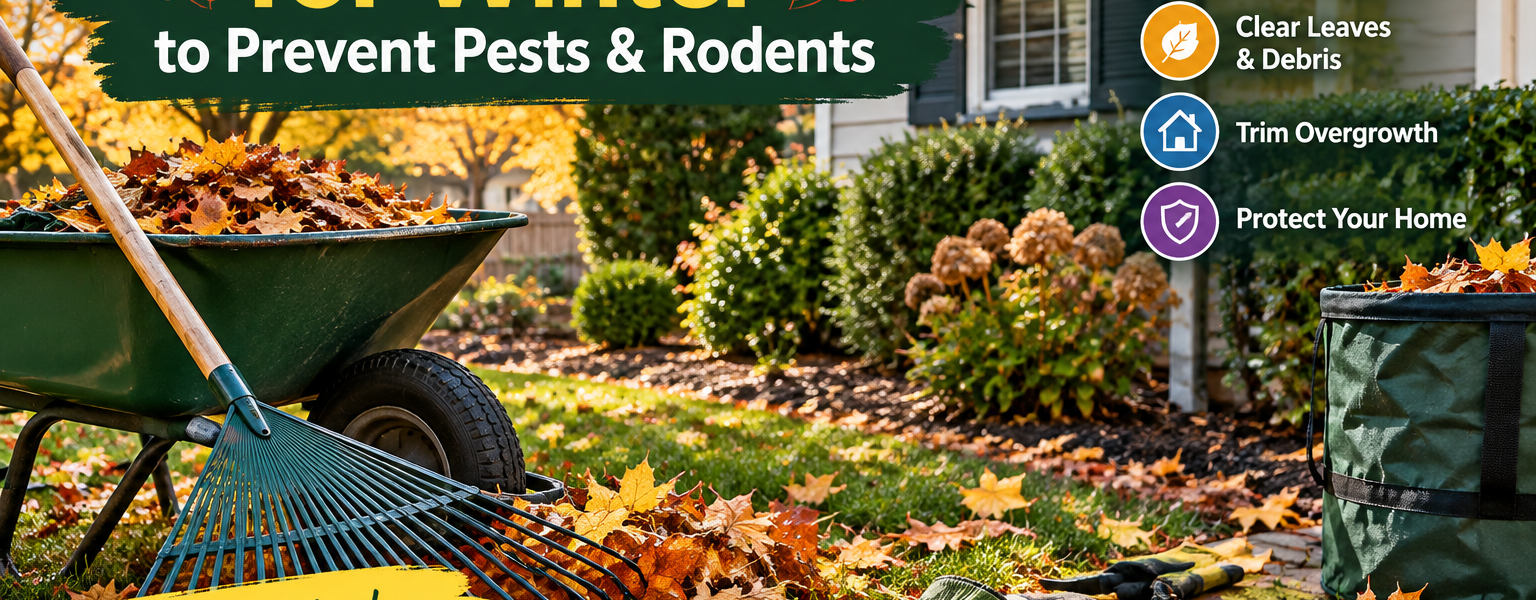
Get Your Yard Winter-Ready and Keep Unwanted Pests Away

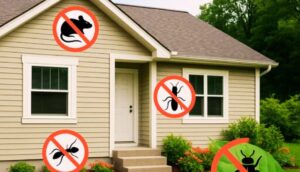
As the seasons change, your yard can quickly become a hiding place for unwanted pests. Fallen leaves, overgrown shrubs, damp corners, and forgotten outdoor clutter can provide shelter for rodents, insects, and other unwelcome visitors looking for food and a safe place to settle. The good news? A little yard cleanup can go a long way toward making your property less inviting to these pests before winter arrives.
Preparing your yard for winter doesn’t have to be a difficult job. With a little planning and the right tools, you can tidy up garden beds, collect fallen leaves, clear blocked gutters, and take care of neglected spots where pests might hide. This guide walks you through practical cleanup methods, useful equipment, and straightforward prevention tips to help keep your outdoor space in good shape. Whether you’re dealing with a few untidy corners or giving your entire property a seasonal makeover, you’ll learn how to reduce the food, moisture, and shelter that can attract unwanted visitors.
Quick Answer: How Can You Prepare Your Yard for Winter and Discourage Pests?
Start by removing fallen fruit, clearing unnecessary yard waste, trimming overgrown vegetation near your home, managing thick leaf piles, and keeping your lawn in good condition. Clean gutters so rainwater can drain properly, and empty containers that collect standing water. These routine maintenance tasks can reduce the resources and hiding places that encourage rodents and nuisance insects to settle around your property.
Give extra attention to the areas around your house, garage, shed, and outdoor storage spaces. Place rubbish in secure, covered containers, store firewood on a raised rack away from exterior walls, and examine your home’s foundation for cracks or openings that pests could use to get indoors.
Remember, a pest-conscious yard doesn’t need to be completely bare. Clear heavy leaf buildup from lawns, walkways, drains, and building edges, but consider leaving some suitable leaves and healthy plant stems in designated areas where they can provide shelter for beneficial insects and other wildlife.
The goal is to strike a sensible balance: remove unnecessary clutter and conditions that encourage pests, preserve useful natural habitat where appropriate, and close off potential entry points to help keep unwanted visitors out of your home.
Best Tools for Fall Yard Cleanup: Quick Comparison
You don’t need to buy every tool available to prepare your yard for winter. Start with equipment that addresses your biggest cleanup needs, then add specialized tools when necessary.
Affiliate disclosure: As an Amazon Associate, BugOffControl.com may earn from qualifying purchases at no additional cost to you.
Essential Tools for Fall Yard Cleanup and Pest Prevention
| Tool | Ideal for Fall Yard Cleanup | Find the Right Tools for Your Autumn Cleanup |
|---|---|---|
| Garden Rake | Gather fallen leaves, grass clippings, and light yard debris from lawns and garden beds. | Shop Garden Rakes on Amazon |
| Hard Rake (Bow Rake) | Break up compacted soil, level garden beds, and move heavier debris or mulch. | Shop Bow Rakes on Amazon |
| Hand Pruner | Cut small stems, remove dead growth, and trim thin branches from shrubs and plants. | Shop Hand Pruners on Amazon |
| Bypass Loppers | Cut thicker branches that are too large for hand pruners. | Shop Bypass Loppers on Amazon |
| Garden Gloves | Protect hands from thorns, rough vegetation, splinters, and dirt during cleanup. | Shop Garden Gloves on Amazon |
| Hard Hat | Protect the head when working beneath trees or handling overhead branches where falling debris is a risk. | Shop Safety Hard Hats on Amazon |
| Safety Glasses or Goggles | Shield eyes from flying debris, dust, wood chips, and leaves during cutting or blowing. | Shop Safety Glasses and Goggles on Amazon |
| Sturdy Garden Boots | Help protect feet from sharp objects, wet ground, mud, and uneven surfaces. | Shop Protective Garden Boots on Amazon |
| Hedge Shears | Shape hedges and trim suitable small, soft growth to reduce overgrown areas near the house. | Shop Hedge Shears on Amazon |
| Hori Hori Knife | Remove weeds, loosen soil, and dig out small roots in garden beds. | Shop Hori Hori Knives on Amazon |
| Hay Fork (Pitchfork) | Lift and move loose leaves, straw, compost, and bulky garden debris. | Shop Hay Forks on Amazon |
| Wheelbarrow | Transport leaves, branches, weeds, soil, and other cleanup waste around the yard. | Shop Wheelbarrows on Amazon |
| Gorilla Cart or Pop-Up Yard Waste Bins | Move heavier loads with a garden cart or collect leaves and lightweight debris in collapsible bins. | Shop Gorilla Carts · Shop Pop-Up Yard Waste Bins |
| Pruning Saw | Cut thicker branches that hand pruners and loppers cannot handle. | Shop Pruning Saws on Amazon |
| Leaf Blower | Clear dry leaves and loose debris from driveways, patios, paths, and other hard surfaces. | Shop Leaf Blowers on Amazon |
| Mulching Lawn Mower | Shred suitable fallen leaves into smaller pieces that can be left on the lawn in a thin layer or collected for composting. | Shop Mulching Lawn Mowers on Amazon |
| Weed Wacker (String Trimmer) | Cut back grass and weeds along fences, paths, and hard-to-reach edges. | Shop String Trimmers on Amazon |
| Pole Saw | Reach selected high branches from the ground without climbing a tree or ladder. | Shop Pole Saws on Amazon |
| Gutter Cleaning Tool | Remove leaves and debris from gutters to help maintain drainage and reduce standing water around the property. | Shop Gutter Cleaning Tools on Amazon |
| Shovel | Dig out weeds, move soil or compost, and clear small amounts of accumulated debris. | Shop Garden Shovels on Amazon |
| Chainsaw | Cut large branches or fallen wood when appropriate for your experience and the equipment’s intended use. | Shop Chainsaws on Amazon |
Safety and Buying Tips
- Begin with the basics: Keep a leaf rake, protective gloves, durable garden boots, hand pruners, a wheelbarrow or yard waste container, and safety glasses close at hand. These everyday tools can make most routine fall yard cleanup tasks easier and safer.
-
Pick the right rake for each task: Use a sturdy bow rake to move heavier debris, loosen soil, or spread mulch, and reach for a lightweight leaf rake when gathering fallen leaves and other loose yard waste. A pole saw is intended for reaching selected branches; it is not the same as a pool-cleaning pole or pool skimmer.
-
Use protective equipment: Wear eye protection when cutting, trimming, mowing, or blowing debris. Use hearing protection with loud power equipment, and wear a properly fitted hard hat when overhead hazards warrant it.
-
Handle high-risk jobs carefully: Never use a chainsaw from a ladder, and avoid cutting branches that are under tension, near power lines, or beyond your training. Hire a qualified professional for hazardous tree work.
-
Clean up with pest prevention in mind: Remove excess debris near the home, keep rubbish secure, and avoid leaving thick piles of damp leaves against foundations, sheds, or outdoor storage areas.
Who Is This Guide For?
This guide is designed for homeowners and gardeners who want to:
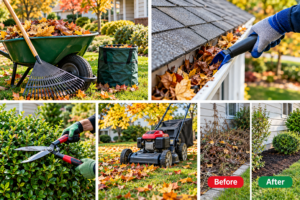
- Prepare outdoor spaces for winter or the cooler season.
- Reduce conditions that attract rats, mice, and nuisance insects.
- Manage leaves, weeds, overgrown vegetation, and garden waste.
- Find useful DIY yard cleanup tools.
- Maintain garden beds without unnecessarily harming beneficial insects.
- Improve outdoor sanitation and reduce pest entry risks around buildings.
Who Is This Guide Not For?
This guide is not a replacement for professional assistance when rodents have established nests inside a building, termites are damaging structural wood, or a serious infestation continues despite preventive work.
It is also not intended to guide untrained people through dangerous tree removal, electrical-line clearance, hazardous wildlife handling, or the cleanup of potentially contaminated material.
How Severe Is Your Yard Pest Problem?
Before starting your fall yard cleanup, assess the condition of your property and look for signs of pest activity. This will help you decide which tasks to tackle first and whether routine maintenance is enough.
Light: Routine Pest Prevention
Your yard has a few scattered leaves, some weeds, and little or no evidence of pest activity.
What to do:
- Rake leaves from lawns, walkways, and other areas where they accumulate heavily.
- Trim dead or damaged plant growth where appropriate.
- Remove fallen fruit and secure outdoor rubbish.
- Empty containers holding standing water.
- Inspect the outside of your home for gaps, damaged screens, and other potential entry points.
Moderate: Several Potential Pest Shelters
Your yard has thick leaf piles, overgrown shrubs, cluttered storage areas, persistent damp spots, or occasional signs of rodents and nuisance insects.
What to do:
- Clear unnecessary debris and clutter near your home’s foundation.
- Trim vegetation that obstructs inspections or touches the building.
- Secure rubbish, pet food, birdseed, and other accessible food sources.
- Clean gutters and address drainage problems.
- Inspect sheds, garages, fences, and outdoor storage areas for pest activity.
- Repair suitable gaps and damaged screens that could allow pests indoors.
Severe: Established or Persistent Pest Activity
You notice repeated rodent sightings, droppings, gnaw marks, nests, burrows near buildings, or evidence that pests have entered your home.
What to do:
- Remove accessible food sources and unnecessary outdoor clutter without disturbing suspected nests.
- Inspect potential entry points and arrange appropriate repairs.
- Avoid sweeping or vacuuming rodent droppings dry.
- Seek professional pest-control assistance if rodents are nesting inside the building, pest activity persists, or the infestation presents a health or structural risk.
Important: Yard cleanup helps reduce the food, shelter, and moisture that can attract pests, but it cannot guarantee their removal. Light and moderate problems may respond to preventive maintenance, while established infestations often require additional control measures.
Remember that yard cleanup can reduce pest-friendly conditions, but it will not necessarily eliminate an established infestation.
1. Trim Hedges and Shrubs Away From Your Home
Overgrown shrubs can provide shelter and concealed routes for rodents and insects. When branches touch siding, roofs, windows, or other structures, they may also make inspections and maintenance more difficult.
During fall cleanup, inspect the vegetation closest to your home. Remove dead or damaged growth and trim branches that obstruct access to the building.
Why trimming helps prevent pests
- Makes it easier to spot rodent activity and other signs of pests.
- Improves access for inspecting siding, foundations, vents, and exterior seals.
- Reduces dense vegetation immediately beside the building.
- Helps prevent branches from touching the roof and other structural areas.
How to trim properly
Use hand pruners for suitable small stems and loppers for thicker branches within their rated capacity. Follow the plant’s pruning requirements instead of cutting away excessive healthy growth.
There is no universal requirement to leave a specific distance around every shrub. Aim for sufficient clearance to inspect and maintain the building while allowing plants to grow naturally.
Do not prune near power lines or attempt to remove hazardous overhead branches yourself. Use a qualified professional for dangerous tree work.
2. Clean Garden Beds Without Removing All Their Natural Shelter
As flowers fade and vegetables finish producing, garden beds can collect dead stems, fallen fruit, diseased foliage, and other plant debris.
Some material can harbor plant pests and diseases. Other leaves, stems, and seed heads provide important shelter for beneficial insects, including native bees and certain butterflies.
The key is to remove troublesome material selectively.
What to remove
- Diseased plants that should not be retained.
- Rotten fruit and vegetables that attract scavenging animals.
- Dead annual plants that have finished their useful life.
- Debris known to harbor a recurring garden pest.
- Plant material obstructing paths, drains, or access to your home.
What you can leave
Healthy perennial stems, selected seed heads, and some leaf litter can support beneficial insects and wildlife. Keep these habitat areas away from vulnerable building openings and maintain clear access around your home’s foundation.
Benefits of selective garden cleanup
- Reduces certain pest and disease overwintering sites.
- Removes decaying produce that may attract flies and rodents.
- Improves visibility and access for garden inspections.
- Helps preserve habitat for beneficial insects.
Do not automatically compost diseased plants, pest-infested material, or weeds containing mature seeds. Dispose of them appropriately according to local guidance and the material involved.
3. Remove Weeds Before They Spread
Autumn weeds can compete with desirable plants, produce additional seeds, and create dense cover around fences, sheds, and garden borders.
Some weed species also act as alternative hosts for aphids and other plant-feeding insects. Removing problematic weeds can help reduce these opportunities.
Benefits of fall weeding
- Prevents some weeds from producing and spreading more seeds.
- Reduces unwanted vegetation around garden beds.
- Makes it easier to inspect soil and plant stems.
- Removes certain alternative host plants for garden pests.
How to weed efficiently
Pull young weeds when the soil is moist and remove as much of the root system as practical. A suitable hand weeder can help with deeper-rooted plants.
Avoid scattering mature seed heads, and work carefully around desirable plant roots and buried irrigation lines.
Not every weed attracts the same pests. If you repeatedly experience aphids, thrips, or other plant-feeding insects, identify the affected plants and pest before deciding what to remove.
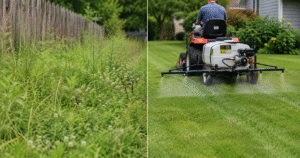
4. Keep Your Lawn at the Right Height
A neglected lawn can provide hiding places for small animals, especially where tall grass meets dense vegetation, sheds, stored materials, or the home’s foundation.
However, cutting grass excessively short can weaken turf and expose soil.
How lawn maintenance helps
- Improves visibility around buildings and borders.
- Reduces dense cover in selected areas where rodents may hide.
- Makes it easier to collect fallen leaves.
- Helps reveal burrows, bare patches, and other changes in the lawn.
The best approach
Maintain your lawn at the recommended height for its grass species and local growing conditions. Make the final seasonal cut when appropriate rather than following a fixed calendar date.
In colder regions, avoid leaving turf excessively long going into winter, but do not scalp it. In warm climates, including The Bahamas, grass may continue growing throughout the year, so regular maintenance may be more appropriate than a single autumn cleanup.
If you notice unusual lawn damage, investigate the cause before purchasing grub killers or other treatments.
5. Remove Rubbish and Unnecessary Outdoor Clutter
One of the most useful pest-prevention jobs is eliminating the clutter that provides convenient hiding places.
Old pots, discarded timber, broken equipment, cardboard, unused tarps, and materials stored beneath decks can create sheltered spaces. Unsecured rubbish and spilled food make these areas even more attractive.
Your outdoor clutter checklist
- Remove broken pots and unused containers.
- Store tarps and outdoor fabrics neatly.
- Keep rubbish in tightly closed, pest-resistant containers.
- Clean up spilled birdseed, pet food, and fallen fruit.
- Organize sheds and garages so you can inspect the floors and walls.
- Remove unnecessary piles of cardboard and building materials.
- Keep outdoor storage areas accessible for routine inspections.
Why this matters
Rodents need food, water, and shelter. Reducing these resources makes a property less inviting and helps you notice new signs of activity sooner.
Do not handle unknown nests or disturb suspected wildlife dens without assessing the risk. Some wildlife is protected, and certain nests may contain animals that should not be disturbed.
6. Rake Leaves Strategically
Fallen leaves are one of the biggest parts of autumn yard maintenance, but removing every leaf is not always the best choice. The goal is to prevent excessive buildup where it causes problems while retaining suitable natural leaf litter elsewhere.
Where to remove leaves
Clear heavy accumulations from:
- Lawns where thick leaf cover could smother grass.
- Gutters and drainage channels.
- Steps, paths, and driveways where wet leaves create slipping hazards.
- Vegetable beds where diseased leaves or known pests are a concern.
- Areas immediately against foundations, doorways, and outdoor equipment.
Where you can leave some leaves
A light layer of healthy leaves beneath established trees, shrubs, and appropriate naturalized planting areas can provide shelter for beneficial insects.
As leaves break down, they also contribute organic matter to the soil. Shredded leaves used as suitable mulch can help moderate soil temperature and reduce moisture loss.
The balance: Avoid unmanaged, thick, wet piles against buildings, but retain selected leaf-litter areas where they support habitat and soil health.
Should you mulch leaves with a lawn mower?
Yes, if the leaf layer is light enough for your mower to process safely and the shredded material will not smother the turf. If leaves are too thick or wet, collect some first rather than repeatedly mowing over a dense blanket. Follow the mower’s instructions and keep people away from the machine while it is operating.
7. Clean Gutters and Improve Drainage
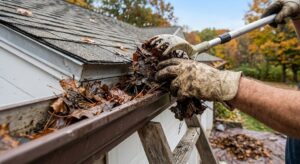
Leaves and twigs can block gutters and downspouts. Poor drainage may cause water to overflow near the foundation or create damp areas around the property. Standing water can also support mosquito breeding, depending on the species and conditions.
What to check
- Remove accessible leaves and twigs from gutters.
- Check that downspouts carry water away from the foundation.
- Clear suitable outdoor drains and drainage channels.
- Empty containers that collect rainwater.
- Repair leaking outdoor faucets and irrigation connections.
- Look for persistent damp patches near the building.
Gutter safety
Ladder falls can cause serious injuries. Use a compatible ground-based gutter tool when it can do the job effectively. For high or difficult-to-reach gutters, consider a qualified service.
Never work near overhead power lines, and follow the equipment manufacturer’s safety instructions.
8. Remove Fallen Fruit and Secure Outdoor Food
Fruit trees, vegetable gardens, and outdoor feeding stations can leave behind food that attracts rats, mice, ants, flies, and other scavengers. Collect fallen fruit and vegetables, remove rotting produce, and clean up spilled birdseed and pet food. Store suitable kitchen scraps in a secure composting system rather than leaving them in an exposed pile. If you feed birds, keep the feeding area tidy and clean up spilled seed regularly. Avoid placing feeders directly beside buildings where rodent activity can be difficult to monitor. Reducing available food makes the yard less attractive to scavenging pests without requiring you to eliminate all wildlife-friendly planting.
9. Store Firewood and Building Materials Properly
Firewood, lumber, bricks, and other stored materials can create sheltered spaces for insects and small animals. Firewood may also harbor wood-boring insects, depending on the wood and local conditions.
How to organize stored materials
- Keep firewood off the ground on a suitable rack.
- Store firewood away from exterior walls where practical.
- Keep lumber and unused building materials neatly arranged.
- Avoid piling materials against the foundation.
- Inspect stored items before bringing them indoors.
- Bring in only the firewood needed for immediate use.
Avoid storing firewood directly against the house or carrying large quantities indoors for extended periods. Moving firewood can introduce insects into living spaces, even when those insects do not infest the structure. For properties in warm, humid climates, keep stored materials dry and inspect them regularly for termites, ants, and other pests.
10. Inspect Fences, Sheds, Decks, and Foundations
Fall cleanup is an excellent time to inspect places that are often overlooked during everyday gardening. Check the edges of sheds, accessible areas beneath decks, fence lines, foundation openings, and gaps around utility pipes.
Look for warning signs
- Rodent droppings or gnaw marks.
- Burrows close to buildings.
- Damaged vent screens.
- Gaps around doors, pipes, or cables.
- Damp or damaged timber.
- Clutter that prevents inspection.
What to do next
Repair suitable door sweeps, weather stripping, and damaged screens. Seal appropriate openings using materials suited to the location and pest. Before closing a suspected entry point, check whether animals are inside. Poorly planned exclusion can trap rodents in walls or other inaccessible spaces. If you find extensive rodent activity or evidence of structural damage, seek professional advice.
11. Eliminate Standing Water and Persistent Moisture
Water is an essential resource for many pests. Containers, clogged drains, leaking hoses, and poorly maintained irrigation systems can create unnecessary water sources around the yard.
Take these steps
- Empty flowerpots, buckets, and unused containers.
- Clean outdoor drains and water collection points.
- Repair leaking faucets and hoses.
- Adjust irrigation so it does not create persistent wet areas.
- Check rain barrels and water storage for secure covers.
- Inspect shaded areas where water may collect unnoticed.
In warm, humid locations such as The Bahamas, mosquito and other pest activity may continue throughout the year. Regular water management is therefore more useful than relying on a one-time autumn cleanup.
Avoid unnecessary pesticide applications to drains or standing water. If a mosquito treatment is needed, use only a product labeled for that specific location and purpose.
12. Check Outdoor Equipment and Storage Areas
A complete seasonal cleanup also includes the equipment and spaces used to maintain your yard. Unused containers can collect rainwater, damaged irrigation equipment can create damp soil, and cluttered storage spaces can conceal pest activity.
Before the cooler season or winter period:
- Check hoses and irrigation connections for leaks.
- Empty and store containers that collect water.
- Inspect outdoor storage boxes for damage and moisture.
- Clean garden tools after use.
- Remove plant debris from work surfaces.
- Repair damaged screens and weather seals.
- Store equipment according to manufacturer instructions.
In warm climates, continue checking for water sources and pest activity throughout the year.
Best Amazon Tools for Fall Yard Cleanup
The following products are practical options for the jobs described above. Choose according to the size of your property, the material you need to remove, and how often you expect to use the tool.
1. Best Overall: Leaf Rake
Best for: Collecting leaves from lawns, paths, and garden beds.
A lightweight leaf rake is a useful starting point for most homeowners. Look for a comfortable handle, a head width suited to your yard, and a design that works with the surfaces you need to clear.
Limitation: A leaf rake is not designed for every type of heavy debris. A stronger garden rake may be more suitable for certain tougher jobs.
2. Best for Pruning: Bypass Pruning Shears
Best for: Cutting small stems, unwanted shoots, and suitable dead flower stalks.
Look for comfortable grips, sharp blades, and a cutting capacity appropriate for your plants.
Limitation: Never force the blades through branches that exceed their rated capacity. Use suitable loppers or professional equipment for larger growth.
Check bypass pruning shears on Amazon
3. Best for Thicker Branches: Garden Loppers
Best for: Cutting branches within the tool’s rated capacity.
Loppers provide more leverage than hand pruners and are useful for maintaining shrubs and small trees.
Limitation: Branch thickness and wood hardness affect performance. Avoid overhead cutting and leave hazardous branches to qualified professionals.
Check garden loppers on Amazon
4. Best for Lawn Care: Mulching Lawn Mower
Best for: Maintaining grass and shredding manageable quantities of fallen leaves.
A compatible mulching mower can reduce leaf volume and return suitable organic material to the lawn.
Limitation: Very thick or wet leaves may clog the mower or leave excessive material on the turf. Follow the manual, wear appropriate protection, and never clear a blockage while the machine is running.
Check mulching lawn mowers on Amazon
5. Best for Moving Debris: Wheelbarrow or Garden Cart
Best for: Transporting leaves, branches, weeds, and other yard waste.
Choose a model with adequate capacity, stable wheels, and a comfortable handle arrangement.
Limitation: Avoid overloading the cart, especially on slopes or uneven ground.
Check wheelbarrows and garden carts on Amazon
6. Best for Gutter Maintenance: Gutter Cleaning Tool
Best for: Removing accessible gutter debris from ground level when the tool is compatible with your gutter system.
A suitable extension tool can reduce the need to climb a ladder for some cleaning tasks.
Limitation: Ground-based tools may not remove compacted debris or repair damaged gutters. Hire a qualified professional when access or visibility is poor.
Check gutter cleaning tools on Amazon
7. Best for Weeding: Hand Weeder
Best for: Removing unwanted weeds from garden beds and borders.
A suitable hand weeder can help loosen roots, particularly in compacted soil.
Limitation: Different weeds require different removal methods. Work carefully around desirable roots and buried irrigation lines.
Check garden weeding tools on Amazon
8. Best for Personal Protection: Safety Goggles
Best for: Protecting your eyes from flying debris during suitable yard work.
Choose properly fitted protective eyewear designed for the task. Some cutting operations require additional face protection.
Limitation: Ordinary sunglasses are not a substitute for suitable protective eyewear.
Check protective safety goggles on Amazon
9. Best for Composting: Enclosed Compost Bin
Best for: Containing suitable leaves, grass clippings, and other organic garden waste.
Choose a stable container with suitable ventilation and a secure lid or access system.
Limitation: No ordinary compost bin is automatically rodent-proof. Keep food scraps covered and select a design suited to local wildlife and your composting method.
Check enclosed compost bins on Amazon
10. Best for Storage: Outdoor Garden Shed
Best for: Storing tools, empty pots, and equipment that would otherwise clutter the yard.
A suitable outdoor shed can help protect equipment from the weather and keep the property organized.
Limitation: Resin, metal, and wooden sheds have different installation and maintenance requirements. Secure the structure appropriately and avoid storing exposed food or rubbish inside.
Check outdoor garden sheds on Amazon
How to Turn Fall Yard Waste Into Useful Compost
Leaves, grass clippings, and suitable plant material can become a useful soil amendment rather than waste. Composting can improve soil structure and recycle organic matter, but an unmanaged pile may attract scavenging animals or create unpleasant odors.
Step 1: Balance green and brown materials
Green materials, such as fresh grass clippings and suitable plant matter, generally supply more nitrogen. Brown materials, including dry leaves and small twigs, supply carbon.
A practical starting point is approximately three parts brown material to one part green material by volume. Adjust as necessary depending on moisture and decomposition. Avoid adding diseased plants, pest-infested material, or mature weed seeds unless your composting method can reliably manage those risks.
Step 2: Allow air to circulate
Combine materials without packing them too tightly. Coarse material can help improve airflow, but large branches should be shredded or kept out of the finished pile.
Step 3: Maintain suitable moisture
The mixture should be moist rather than waterlogged. If it dries out, decomposition slows. If it becomes saturated, poor airflow and unpleasant odors can develop.
Step 4: Turn the pile when appropriate
Turning introduces oxygen and distributes moisture. The frequency depends on your composting method, ingredients, and desired decomposition rate.
Step 5: Keep the compost contained
A suitable bin with a secure lid can help limit access by scavenging animals. Keep food scraps covered and follow local guidance on acceptable compost materials.
Important: A typical cool backyard pile may not reliably destroy weed seeds or plant pathogens. Use finished compost only when it is mature and suitable for the intended application.
How to Clean and Store Yard Tools Before Winter
After completing your cleanup, maintain your equipment so it is ready for the next gardening season.
Clean tools after use
Brush off soil, leaves, sap, and plant residue. Wash tools when necessary and dry them thoroughly to help prevent rust.
Sanitize cutting tools when appropriate
Clean and disinfect pruners, loppers, and shears between plants when dealing with suspected disease or when recommended for the particular plant-health risk. Use a suitable disinfectant according to its instructions.
Inspect blades and moving parts
Check cutting edges, handles, hinges, and bolts. Sharpen or repair tools according to the manufacturer’s instructions. Apply suitable protective lubricant where recommended.
Store tools safely
Keep tools in a dry, organized storage area. Wall hooks and sturdy shelving can improve access and help protect equipment from damage.
Store sharp tools securely and follow the manufacturer’s instructions for batteries, fuel, and chemicals. Keep hazardous products out of reach of children and pets.
Personal Safety During Fall Yard Cleanup
Yard cleanup can involve sharp branches, hidden insects, moldy leaves, heavy objects, and potentially contaminated materials. A few precautions can help reduce the risk of injury.
- Wear suitable clothing: Long sleeves, long trousers, and sturdy closed-toe footwear help protect against scratches and debris.
- Protect your hands: Wear gloves suited to the task, especially when handling thorny plants or rough wood.
- Protect your eyes: Use appropriate safety goggles when cutting, blowing, or handling materials that can produce flying debris.
- Use hearing protection: Wear suitable protection when operating noisy equipment.
- Lift carefully: Use manageable loads and a wheelbarrow or cart for heavy debris.
- Check for wildlife: Inspect material before moving it, and avoid handling unknown nests.
- Use tools properly: Follow manufacturer instructions and never reach into operating equipment.
- Handle rodent waste cautiously: Avoid sweeping or vacuuming droppings dry. Keep people away from the area and follow local public-health guidance for safe cleanup.
If you discover extensive rodent droppings, a large nest, or a potentially hazardous infestation, seek appropriate professional advice rather than attempting a risky cleanup.
Your Complete Fall Yard Cleanup Checklist
Work through these tasks at a manageable pace, starting with the areas closest to your home.
-
Remove fallen fruit, spoiled vegetables, and outdoor food waste.
-
Clear heavy leaf accumulations from lawns, paths, and drains.
-
Preserve suitable leaf litter in selected wildlife-friendly areas.
-
Trim branches and shrubs that obstruct inspections or touch the building.
-
Remove troublesome weeds and suitable dead plant material.
-
Maintain the lawn at the recommended height.
-
Clean accessible gutters and check downspouts.
-
Empty containers that collect rainwater.
-
Store rubbish in secure containers.
-
Organize sheds, garages, and outdoor storage spaces.
-
Store firewood away from exterior walls where practical.
-
Inspect foundations, vents, door sweeps, and pipe openings.
-
Check fences, decks, and outbuildings for signs of pests.
-
Repair suitable exterior gaps and damaged screens.
-
Clean and maintain garden tools.
-
Store equipment safely.
-
Arrange professional assistance for hazardous work or established infestations.
Time-saving tip: Start with rubbish, food sources, standing water, and clutter near the foundation. Then move on to garden beds, lawn care, and general tool maintenance.
10 Frequently Asked Questions About Fall Yard Cleanup
1. Does cleaning up my yard really help prevent rodents?
Yes. Removing accessible food, reducing clutter, maintaining vegetation, and inspecting building openings can make your property less attractive to rodents. Cleanup alone cannot guarantee that rats or mice will stay away.
2. Should I remove all fallen leaves before winter?
No. Remove heavy accumulations from lawns, drains, walkways, and areas against the house. Retain suitable leaf litter beneath trees and shrubs where it can provide beneficial habitat and contribute organic matter to the soil.
3. When should I start fall yard cleanup?
Begin when leaves accumulate and plants start their seasonal decline. Prioritize drainage, rubbish, food sources, and areas near your home. In warm climates, some tasks may need to continue year-round.
4. Should I cut my grass short before winter?
No. Maintain grass at the recommended height for its species and local conditions. Cutting too short can stress the lawn, while excessive growth may create problems in certain settings.
5. Does trimming bushes keep rats and mice away?
Trimming can reduce sheltered routes and improve visibility around buildings. It works best alongside secure rubbish storage, reduced clutter, and appropriate sealing of entry points.
6. Which yard cleanup tool should I buy first?
A leaf rake is a useful starting point for many yards because it handles routine leaf collection. If overgrown shrubs are your biggest concern, pruning shears may be more useful. Choose equipment based on the jobs you actually need to complete.
7. Can I put all my yard waste in a compost pile?
No. Suitable leaves, grass clippings, and healthy plant material can often be composted. Diseased plants, pest-infested material, and weeds carrying mature seeds may require different handling.
8. Will a compost bin attract rats?
It can if food scraps are exposed or the bin provides easy access to nesting material. A well-managed system with a secure lid and appropriate construction can reduce the risk, but no ordinary bin guarantees complete exclusion.
9. Is fall yard cleanup enough to stop pests from entering my house?
No. Yard maintenance is one part of prevention. Inspect the building, repair suitable seals, maintain screens, protect food, and close appropriate entry points. Established infestations may require professional treatment.
10. Do I need pesticides after cleaning up my yard?
Not necessarily. Sanitation, exclusion, vegetation management, and moisture control may address many preventive concerns. If treatment is necessary, identify the pest and choose a product labeled for that pest and location. Follow every application and safety instruction.
Final Thoughts: Make Your Yard Less Inviting to Pests
Preparing your yard for winter does not mean removing every leaf, cutting back every plant, or eliminating all wildlife habitat. It means managing the conditions that make your property attractive to unwanted pests while maintaining a healthy outdoor environment.
Start with fallen fruit, rubbish, standing water, overgrown vegetation, and clutter near your home. Then work through garden beds, leaf management, lawn maintenance, drainage, and equipment storage.
These practical steps can reduce pest-friendly conditions, improve your property’s appearance, and make future garden maintenance easier.
For more practical advice, explore the DIY pest-control guides at BugOffControl.com to learn how to identify common pests, understand your control options, and choose suitable products for your home and garden.