Florida King Tide Flooding: How Coastal Saltwater Rises Trigger Immediate Pest Migrations

A king tide can turn an ordinary high tide into a worrying experience for anyone living near the coast. Water may creep farther up the shoreline, spill over low-lying roads, flood yards, and collect around homes. While the rising water is a natural coastal event, the conditions it creates can also bring unwanted visitors closer to your property. Rats and mice may lose access to their usual hiding places, cockroaches can emerge from damp areas, and other insects may become more noticeable as water disrupts their normal habitats.
The good news is that a king tide does not automatically mean your home will be overrun by pests. A little preparation before the water rises, followed by a careful inspection and cleanup afterward, can make a real difference. The key is to remove easy sources of food and shelter, protect entry points, manage standing water, and know how to respond if you spot signs of pest activity.
In this guide, you’ll learn what king tides are, why coastal flooding can affect pest activity, which rodents and insects you may encounter, and how to protect your home before, during, and after a high-water event. You’ll also find practical DIY pest-control options, product considerations, and simple prevention steps to help keep your coastal property cleaner, drier, and less inviting to unwanted pests.
Quick Answer: Can King Tides Drive Pests Into Your Home?

Yes, unusually high tides and coastal flooding can disturb pest habitats and make nearby homes more attractive to rodents and insects seeking dry shelter, food, and protection. Rats and mice may move away from flooded burrows or drainage areas, while cockroaches, ants, spiders, mosquitoes, and other moisture-associated pests may become more noticeable around buildings.
However, not every pest invasion is directly caused by a king tide. Existing infestations, wet conditions, damaged structures, overflowing drains, and changes in available food and shelter can also contribute.
The best approach is to prepare before high tides arrive, keep pests from entering during flooding, and inspect your property carefully once the water recedes. Seal openings, secure food and garbage, remove standing water when it is safe, and use pest-control products only in locations and conditions permitted by their labels.
What Is a King Tide?
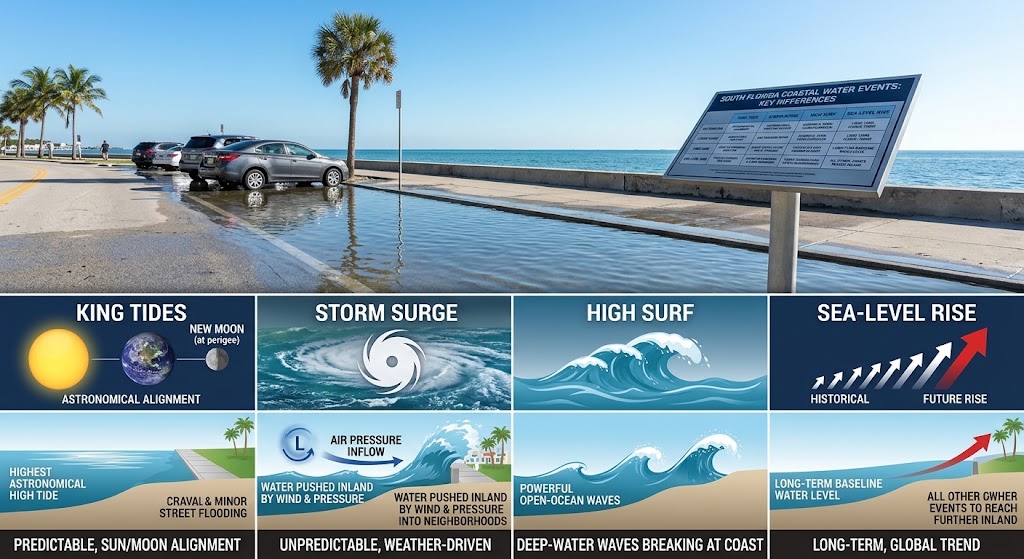
A king tide is a commonly used, non-scientific term for an exceptionally high tide that occurs when several natural factors combine to raise coastal water levels above their usual heights. These events are often associated with the full moon or new moon, when the Sun, Moon, and Earth align and their gravitational influences produce stronger tidal ranges.
The Moon plays an important role in this process. As it travels around Earth, its distance from our planet changes. When the Moon reaches its closest orbital point, known as perigee, its gravitational influence on ocean tides becomes slightly stronger. If this happens around a full moon or new moon, the combination can contribute to particularly high tides, sometimes called perigean spring tides.
In Florida, king tides are especially noticeable during the fall months, when seasonal coastal water levels can make unusually high tides more likely to cause flooding. However, these events are not caused by the fall season or a particular full moon alone. They result from the interaction of lunar and solar gravity, the Moon’s orbital position, and local coastal conditions.
King tides do not necessarily require a storm to occur. They can happen during otherwise calm weather, although strong onshore winds, low atmospheric pressure, heavy rainfall, and other weather conditions can push water farther inland and make coastal flooding worse.
For coastal homeowners, these unusually high water levels can create more than a temporary inconvenience. Saltwater may reach low-lying properties, drainage systems can become overwhelmed, and rising water can displace rodents and insects from their usual hiding places. Pests seeking higher, drier ground may move toward homes, garages, sheds, and surrounding landscaping.
Understanding what causes king tides, when they are most likely to occur, and how they can affect pest activity gives homeowners a better opportunity to prepare their properties before coastal flooding begins.
Local Coastal Conditions
The shape of a coastline, the depth of nearby water, bays, inlets, seawalls, and other geographical features can influence how high water affects a particular location.
Local conditions help explain why one coastal neighborhood may experience noticeable flooding while another nearby area experiences much less.
King Tides vs. Storm Surges, High Surf, and Sea-Level Rise
These terms are related to coastal water levels, but they do not mean the same thing.
| Coastal Event | What It Means | Possible Effect on Homes |
|---|---|---|
| King tide | An exceptionally high astronomical tide | Water may reach low-lying roads, yards, and drainage areas |
| Storm surge | An abnormal rise in coastal water driven mainly by a storm | Can cause serious coastal flooding and property damage |
| High surf | Large ocean waves reaching the shoreline | Waves may overtop seawalls and carry water and debris inland |
| Heavy rainfall | Large amounts of rain falling over a short period | Can overwhelm drains and leave standing water around buildings |
| Sea-level rise | A long-term increase in average ocean levels | Can make high tides and coastal flooding more damaging |
A king tide can occur without a storm, but it may combine with heavy rain, strong winds, or rough seas to produce more serious flooding.
Why King Tides Can Increase Pest Problems Around Coastal Homes
When coastal water levels rise, the surrounding environment can change quickly. Areas that normally provide shelter for rodents and insects may become wet, disturbed, or temporarily inaccessible.
Some pests may move to higher ground, while others may take advantage of openings around homes, garages, crawlspaces, and utility connections.
The extent of the problem depends on the species and the conditions in the affected area.
1. Norway Rats May Move Away From Flooded Burrows
Norway rats commonly nest in underground burrows, soil banks, spaces beneath structures, and other sheltered locations. In coastal neighborhoods, they may also use drainage areas and other protected spaces.
When rising water reaches these locations, rats may abandon flooded or disturbed nesting areas and search for dry shelter nearby.
A house can provide attractive alternatives because it may offer warmth, food, nesting materials, and protection from predators.
However, not every king tide reaches underground burrows, and rats do not necessarily move indoors during every high-tide event.
2. Roof Rats May Seek Shelter in Attics and Roof Spaces
Roof rats are agile climbers that commonly use trees, vines, fences, rooflines, and overhead utility routes to move around properties.
They may enter through damaged roof areas, gaps around eaves, soffits, vents, and openings where pipes or cables enter a building.
During wet weather or flooding, accessible dry spaces such as attics, ceilings, and roof voids may become especially attractive.
3. Mice May Take Advantage of Small Openings
Mice can enter buildings through surprisingly small gaps. A mouse may squeeze through an opening approximately 1/4 inch wide if its head can pass through.
That makes gaps around doors, pipes, vents, foundations, and damaged weather stripping important inspection points.
Even a small opening that seems harmless during normal weather can provide an entry route when pests are searching for shelter.
4. Cockroaches May Become More Noticeable
Cockroaches are among the pests homeowners may notice around drains, kitchens, bathrooms, utility rooms, and damp storage spaces after flooding.
American cockroaches commonly use sewers, drains, outdoor harborages, and moist areas around buildings. Water intrusion or disturbed outdoor hiding places may change where they are seen.
German cockroaches are different. They are strongly associated with indoor kitchens, bathrooms, appliances, and other areas where food, moisture, and warmth are available. A sudden appearance of German cockroaches should not automatically be blamed on a king tide; an existing indoor infestation or introduction through packages and belongings may be responsible.
5. Ants May Relocate Their Nests
Heavy rain and flooding can disturb ant colonies nesting in soil, under paving, near foundations, and around landscaping.
Some ants respond by relocating to higher or drier areas. Others may form temporary floating rafts during floods, allowing parts of a colony to survive until they reach a suitable location.
If ants begin appearing in kitchens, bathrooms, or around doors after a high-water event, look for the trails and entry points rather than treating only the individual ants you can see.
6. Mosquitoes May Become a Problem After Flooding
Mosquitoes do not usually invade homes in the same way rodents or cockroaches do, but standing water left behind after flooding can create breeding opportunities for certain species.
Buckets, plant saucers, clogged gutters, discarded containers, tires, and other water-holding objects can become breeding sites.
Not every puddle produces mosquitoes, and different species use different types of water. Nevertheless, removing unnecessary standing water is an important part of post-flood pest prevention.
7. Spiders, Earwigs, and Other Moisture-Associated Pests
Spiders, earwigs, millipedes, and other small creatures may become more visible when their usual outdoor hiding places are disturbed by wet conditions.
They may enter through door gaps, foundation openings, vents, and other accessible spaces.
Seeing one or two of these pests does not necessarily mean an infestation has developed. However, repeated sightings may indicate that moisture, clutter, or accessible entry points need attention.
What to Do Before a King Tide Arrives
Preparing before coastal water levels rise gives you a better chance of reducing pest problems and protecting your belongings.
1. Secure Food, Pet Supplies, and Garbage
Food odors can attract rodents and insects, particularly when their usual outdoor food sources become harder to reach.
Before an expected high tide:
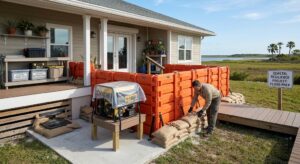
- Store pet food in tightly sealed containers.
- Keep pantry goods in secure packaging or sealed storage bins.
- Remove food scraps from outdoor areas.
- Use garbage cans with secure, tightly fitting lids.
- Avoid leaving pet food outside overnight.
- Clean up spilled birdseed and fallen fruit.
Do not leave garbage bags or loose food containers where floodwater can carry them away.
2. Move Clutter Away From Exterior Walls
Wood piles, cardboard, leaf litter, dense vegetation, and unused outdoor equipment can provide hiding places for rodents and insects.
Where practical, move firewood, garden debris, and stored materials away from the home’s exterior walls. Keep items elevated and organized in areas that are not expected to flood.
Reducing clutter also makes it easier to spot droppings, gnaw marks, insect activity, and possible entry points.
3. Inspect Doors, Windows, and Foundation Openings
Walk around the property and look for gaps that could allow pests inside.
Pay particular attention to:
- Garage-door edges and damaged bottom seals.
- Gaps beneath exterior doors.
- Cracks around utility pipes and cables.
- Openings around air-conditioning lines.
- Damaged window screens.
- Roof vents and soffits.
- Gaps around dryer vents.
- Foundation cracks and damaged crawlspace covers.
Use suitable rodent-resistant materials, such as metal mesh combined with an appropriate sealant, where repairs are needed. Expanding foam alone may not provide a durable rodent barrier.
Do not block required ventilation openings or drainage routes.
4. Check Drainage and Outdoor Water-Holding Containers
Clear leaves and debris from gutters and drainage areas when it is safe to do so. Empty containers that could collect rainwater, and turn over unused buckets, pots, and other outdoor items.
Never enter floodwater or attempt to clear a drain while water is moving or electrical hazards may be present.
5. Protect Storage Areas and Electronics
Move cardboard boxes, pet food, stored fabrics, and other vulnerable belongings off floors in garages, utility rooms, and low-lying storage areas.
Rodents may also investigate appliances and electronics because their enclosed spaces can provide shelter. Keep food and nesting materials away from these areas, and inspect accessible spaces for signs of activity.
If an electrical appliance has been exposed to floodwater, do not switch it on until it has been assessed by a qualified professional.
What to Do While King Tide Flooding Is Happening
Your first priority during coastal flooding should always be personal safety, not pest treatment.
Floodwater can contain sewage, chemicals, sharp debris, and other hazards. Saltwater can also damage electrical equipment and create dangerous conditions around outlets, wiring, and appliances.
Follow local flood and weather advisories, avoid walking or driving through floodwater, and keep children and pets away from affected areas.
While it is safe to remain indoors:
- Keep exterior doors and windows closed where possible.
- Check that accessible door sweeps and screens are in place.
- Keep food in sealed containers.
- Store pet food securely.
- Watch for signs of rodents or insects indoors.
- Avoid handling rodents, droppings, or flood-damaged materials.
- Do not apply pesticides to floodwater, flooded soil, drains, sewers, or areas where products could wash into waterways.
Important: Never place rodent bait or insecticide where rising water can carry it into the environment. Do not attempt to install or service outdoor bait stations during active flooding.
How to Control Rodents After a King Tide
Once floodwater has receded and the property is safe to inspect, look for evidence of rodent activity. Rats and mice may remain in a building if they find suitable shelter, food, and water. Do not assume they will leave when the tide goes back down.
Step 1: Look for Signs of Rodent Activity
Check accessible areas for:
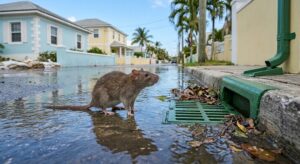
- Droppings along walls and behind stored items.
- Scratching or scurrying sounds in ceilings and walls.
- Chewed food packaging.
- Gnaw marks on wood, plastic, or wiring.
- Nesting materials such as shredded paper and fabric.
- Greasy rub marks along frequently used routes.
- Burrows or disturbed soil near the foundation.
Droppings can be confused with those of other animals, so consider their size, shape, location, and surrounding evidence before deciding which rodent is present.
Step 2: Use Suitable Mechanical Traps
Snap traps can be useful for capturing rats and mice indoors when placed correctly.
For safer placement:
- Use traps designed for the size of the rodent.
- Position them along walls and known travel routes.
- Place them where children and pets cannot reach them.
- Consider enclosed trap designs in areas where accidental contact is a concern.
- Inspect traps frequently and dispose of captured rodents safely.
Avoid placing traps where they can become wet, contaminated, or inaccessible.
Step 3: Be Careful With Rodent Baits
Rodenticide bait may be used in some circumstances, but it requires careful handling. Never scatter loose bait around the property or place it where children, pets, wildlife, or floodwater can reach it.
If a rodenticide is appropriate and legally permitted, use only a product whose current label allows the intended location and application. Follow all instructions for bait stations, placement, inspection, and disposal.
A weather-resistant bait block is not automatically safe for use in a flood-prone location. Water can still carry bait or contaminated material into the environment.
For significant activity, consider a licensed pest-management professional.
Step 4: Seal Entry Points
After identifying likely entry routes, repair them with suitable materials. Use rodent-resistant mesh or other appropriate exclusion materials around openings, then seal the repair with a compatible product. Pay attention to utility penetrations, door edges, vents, roof gaps, and openings around plumbing. A durable exclusion repair is one of the most important ways to prevent rodents from returning.
How to Control Cockroaches After Coastal Flooding
Cockroaches may be seen around drains, kitchens, bathrooms, and damp utility areas after a flood. The correct treatment depends on the species and where it is living.
American Cockroaches
American cockroaches are relatively large and may be associated with sewers, drains, outdoor areas, and damp spaces around buildings.
After flooding:
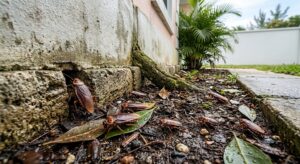
- Check for damaged drain covers and plumbing openings.
- Repair leaks and moisture problems.
- Keep food scraps and rubbish contained.
- Seal gaps around pipes and service openings.
- Use appropriate cockroach baits or other labeled products where permitted.
If cockroaches repeatedly appear from drains, a plumbing or drainage inspection may be needed. Spraying insecticide into drains or sewers is not an appropriate substitute for fixing the source.
German Cockroaches
German cockroaches are smaller and are commonly associated with indoor kitchens, bathrooms, appliances, and other areas where food and moisture are available.
They can reproduce quickly, so repeated sightings may indicate an established infestation rather than a temporary movement caused by flooding.
A practical approach includes:
- Remove food crumbs and grease.
- Fix leaking taps and pipes.
- Reduce clutter around appliances and cabinets.
- Use appropriately labeled gel baits in suitable cracks and crevices.
- Consider an insect growth regulator when its label and the infestation conditions make it appropriate.
- Monitor activity and replace or reposition bait according to the product directions.
Do not apply repellent sprays directly over or near bait placements unless the product instructions specifically allow it. Sprays may interfere with bait acceptance.
How to Control Ants After a King Tide
Ants may relocate when their nests become wet or disturbed. Some may enter homes in search of food and dry shelter.
Start by following the ant trail to identify where they are entering.
Helpful steps include:
- Wipe away food residue and sugary spills.
- Store food in sealed containers.
- Clean pet-feeding areas.
- Repair leaking pipes and taps.
- Seal accessible cracks around doors and windows.
- Use ant baits that are labeled for the target ant and intended location.
Baits can be useful because worker ants may carry the bait back to the colony. However, different ant species prefer different food sources, so one bait may not work equally well for every infestation.
Flood warning: Some fire ants can form floating rafts during floods. Do not touch floating ant masses or attempt to handle them. Keep children and pets away and follow local public-health or pest-management guidance.
How to Reduce Mosquitoes After Flooding
Standing water is one of the most important things to check after a high-water event.
When it is safe, inspect your yard for:

- Buckets and plant saucers.
- Clogged gutters.
- Discarded tires.
- Tarps and outdoor covers.
- Unused containers.
- Birdbaths and water-holding equipment.
- Blocked drains and low areas that retain water.
Empty, cover, or remove containers that are not needed. For water that cannot be emptied and is an appropriate treatment site, a mosquito larvicide containing Bti may be an option if the specific product label permits use in that type of water.
Bti products are not interchangeable, and not every product is approved for every water source. Do not apply them to natural waterways, floodwater, or drainage systems unless the label specifically allows that use.
Use intact window and door screens, wear suitable protective clothing, and follow local public-health advice about mosquito-borne disease prevention.
Best Pest-Control Products to Consider After King Tides
The right product depends on the pest, the location, the level of activity, and the conditions around your property. Products should be selected only after identifying the pest and checking the current label.
The following examples are options to research, not a recommendation to apply every product or use them during flooding. Product formulations and permitted uses can vary by country.
Affiliate Disclosure: This article may contain affiliate links. As an Amazon Associate, BugOffControl may earn from qualifying purchases at no additional cost to you.
Rodent Control Tools
| Product or Tool | Best Use | Important Limitation |
|---|---|---|
| Rat-sized snap traps | Capturing rats indoors along known travel routes | Must be positioned where children and pets cannot reach them |
| Mouse snap traps | Capturing mice inside homes and storage areas | Use the correct trap size and inspect frequently |
| Enclosed snap traps | Providing a more protected trap placement | Still require careful positioning and regular checks |
| Rodent-resistant metal mesh | Closing suitable gaps around pipes and structural openings | Must be installed securely and combined with an appropriate seal where needed |
| Locked rodent bait stations | Containing approved rodenticide bait where the label permits | Not suitable for locations where floodwater can reach or dislodge the station |
Norway Rat Bait and Trap Kits, Roof Rat Bait and Trap Kits, and DIY Mouse Control Kits for the Home.
Cockroach and Insect Control Products
| Product | Target Pest / Best Use | Important Limitation |
|---|---|---|
| Advion Cockroach Gel Bait | Indoor cockroach baiting where the current label permits | Use only in labeled locations; keep away from children, pets, and food-contact surfaces |
| Combat Max Roach Killing Gel | Cockroach control in suitable indoor cracks and crevices | Follow the exact placement and replacement instructions |
| Gentrol Point Source | Insect growth regulation as part of an appropriate cockroach management program | It does not provide the same immediate knockdown as a contact insecticide |
| TERRO Liquid Ant Baits | Certain household ants that accept the bait | Ant species differ, and the bait may not attract every type |
| Ortho Home Defense Insect Killer | Perimeter or indoor insect treatment where the specific formulation allows | Check the exact label, permitted surfaces, and indoor/outdoor directions |
| Raid Ant & Roach Killer | Contact treatment for insects listed on the product label | Contact sprays do not replace sanitation, exclusion, or colony management |
| Summit Mosquito Dunks | Larval mosquito control in qualifying standing-water sites | Use only in water sources specifically permitted by the product label |
Before purchasing: Check the current product label, target pest, application site, active ingredient, and local registration requirements. A product sold in one country may not be approved for the same use in another.
For homeowners in The Bahamas and other coastal locations, local pesticide regulations and environmental restrictions are especially important. Do not assume that an imported product is approved for every intended use.
Choosing the Right Treatment
- For rodents: Start with exclusion, sanitation, and correctly placed mechanical traps. Consider rodenticide only when appropriate and legally permitted.
- For German cockroaches: Use a targeted indoor baiting program and address food, water, and hiding places.
- For American cockroaches: Investigate drainage, plumbing, and outdoor harborages as well as using labeled control products.
- For ants: Identify the ant where possible, follow the trail, and choose a suitable bait.
- For mosquitoes: Remove standing water and use a labeled larval control product only when the water source qualifies.
You do not need to use every product in the tables. A targeted approach is usually more practical than applying several pesticides around the same property.
Cleaning Up After Coastal Flooding
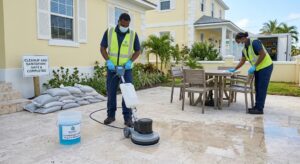
Flood cleanup is important for both property protection and pest prevention. However, do not begin cleanup until the area is safe and local authorities have indicated that it is appropriate to return.
Floodwater may contain sewage, chemicals, sharp objects, and disease-causing organisms.
1. Wear Appropriate Protective Equipment
Use suitable waterproof footwear, gloves, and protective clothing when cleaning affected areas. Follow public-health instructions for flood cleanup, especially if sewage may have entered the property.
2. Remove Contaminated Food and Damaged Materials
Discard food that has come into contact with floodwater unless it is specifically identified as safe by public-health guidance. Remove water-damaged cardboard, packaging, and other materials that may provide hiding places for pests or support mold growth.
3. Dry Damp Areas
Where it is safe, improve ventilation and dry affected areas. Repair leaks and address persistent moisture around plumbing, walls, floors, and storage spaces.
Do not cover damp materials with new flooring or wall coverings before the underlying moisture problem has been addressed.
4. Handle Rodent Droppings Carefully
Do not sweep or vacuum rodent droppings or urine-contaminated materials while dry. This can send contaminated particles into the air.
The CDC recommends wetting rodent urine and droppings thoroughly with an appropriate disinfectant, allowing the required contact time, and then wiping them up with disposable materials while wearing suitable protective equipment.
Follow the CDC’s current rodent-cleanup instructions, including its guidance for heavily contaminated areas.
5. Inspect Stored Items and Appliances
Check boxes, cabinets, stored clothing, and accessible appliance spaces for signs of rodents or insects. If electrical equipment has been exposed to floodwater, do not plug it in or operate it until a qualified professional has assessed it.
Your First 24–72 Hours After the Tide Recedes
Once the property is safe to enter, use this checklist to organize your inspection.
First 24 Hours
-
Check for visible damage and unsafe electrical conditions.
-
Keep children and pets away from contaminated areas.
-
Remove accessible food sources and secure garbage.
-
Look for rodent droppings, gnaw marks, and insect activity.
-
Check doors, screens, and accessible openings.
-
Avoid disturbing dry rodent droppings.
Within 48 Hours
-
Arrange repairs to damaged doors, vents, and utility openings.
-
Dry affected storage areas where possible.
-
Remove unnecessary debris and water-holding containers.
-
Check kitchens, bathrooms, garages, and utility rooms for pests.
-
Place suitable mechanical traps in protected locations if rodent activity is confirmed.
-
Investigate repeated cockroach activity around drains and plumbing.
Within 72 Hours and Beyond
-
Recheck areas where pest activity was observed.
-
Continue monitoring traps and bait placements according to their instructions.
-
Repair persistent leaks and drainage problems.
-
Keep vegetation and stored materials from creating sheltered routes to the building.
-
Contact a qualified pest professional if activity continues or becomes widespread.
This is a practical inspection schedule, not a guarantee that every flood-related pest problem will appear within three days. Continue monitoring the property as conditions change.
Long-Term Pest Prevention for Coastal Homes

King tides are not the only reason coastal homes experience pest pressure. Warm temperatures, humidity, rainfall, food availability, and nearby vegetation can all contribute to recurring pest problems.
A few consistent maintenance habits can make your property less attractive to unwanted pests.
Seal the Building’s Entry Points
Inspect the foundation, roofline, windows, doors, vents, and utility openings regularly.
Use durable materials suited to the location and the type of pest you are excluding. Remember that different pests can enter through different-sized openings.
Keep Landscaping Under Control
Trim vegetation that touches the home, remove unnecessary debris, and avoid allowing dense plants to create sheltered pathways along exterior walls. Keep firewood and stored materials elevated and away from the building where practical.
Manage Garbage and Food Waste
Use secure garbage containers and clean outdoor areas where food scraps or fallen fruit may accumulate. Do not leave pet food outside for extended periods, particularly overnight.
Reduce Moisture Problems
Repair leaking pipes, taps, and outdoor faucets. Maintain gutters and drainage systems, and address areas where water repeatedly collects. Moisture management can help reduce the conditions that attract cockroaches, mosquitoes, and other pests.
Monitor for Rodents and Insects
Inspect garages, storage rooms, kitchens, utility spaces, and roof areas periodically. Look for droppings, gnawing, trails, insect egg cases, damaged packaging, and other signs of activity. Early detection makes it easier to identify the problem before it becomes widespread.
When Should You Call a Pest-Control Professional?
Some pest problems can be managed with basic sanitation, exclusion, and correctly selected products. Others need professional inspection and treatment.
Consider professional help when:

- Rats or mice are repeatedly appearing inside the home.
- Rodents may be nesting in walls, ceilings, or inaccessible spaces.
- Electrical wiring or appliances show signs of gnawing.
- Cockroaches continue appearing despite sanitation and targeted baiting.
- Ant colonies are difficult to locate or identify.
- Flooding has affected crawlspaces, wall cavities, or other difficult-to-access areas.
- You find extensive rodent droppings or contaminated materials.
- You are unsure which pesticide is suitable or legally permitted.
A qualified professional can identify the pest, inspect likely entry routes, and recommend a treatment plan suited to the building and local conditions.
Final Thoughts: Protect Your Home Before and After King Tides
King tides are a natural coastal event, but their effects can extend beyond temporary street and yard flooding. When high water disturbs outdoor habitats, drainage areas, and sheltered nesting places, rodents and some insects may become more visible around nearby homes.
The key is to understand that pest activity after a king tide can have several causes. Flooding may disturb existing harborages, while damp conditions, damaged structures, accessible food, and standing water can create additional problems.
Prepare by securing food and garbage, clearing unnecessary clutter, and repairing gaps around your home. During flooding, put safety first and keep pesticides away from water. After the tide recedes, inspect the property, remove standing water when safe, clean contaminated areas carefully, and address any confirmed pest activity with suitable control methods.
With regular maintenance and a sensible prevention plan, you can reduce the opportunities rodents and insects have to turn your coastal home into their next shelter.
Frequently Asked Questions About King Tides and Pests
1. Can king tides cause rats to enter homes?
They can contribute to rodent movement when high water reaches burrows, drainage areas, or other sheltered habitats. Rats may then look for dry spaces nearby, including buildings. However, a rat sighting during a king tide does not prove that flooding caused it.
2. Why do rats leave their burrows during flooding?
Rats need access to dry shelter, air, food, and water. If rising water reaches a burrow or makes the surrounding area unsuitable, they may move to another location. The response depends on the depth and extent of flooding and the availability of alternative shelter.
3. Can rats swim through toilets during a king tide?
Rats are capable swimmers, and rats can sometimes enter buildings through damaged or accessible sewer and plumbing systems. However, a rat emerging through a household toilet is an unusual event, not an expected result of every king tide. If you experience this problem, avoid contact and have the plumbing inspected by a qualified professional.
4. How small of a hole can a mouse fit through?
A mouse may squeeze through an opening around 1/4 inch wide. Inspect small gaps around pipes, doors, vents, and utility lines, and use appropriate rodent-resistant materials to close them.
5. Do king tides increase the rodent population?
King tides do not create new rodents. They may make existing rodents more visible if water disturbs their usual shelter or changes their movement patterns. A noticeable increase in sightings does not necessarily mean the local population has grown.
6. Will rats leave my home after the king tide recedes?
Not necessarily. If rodents find suitable food, water, and shelter inside a building, they may remain after outdoor conditions improve. Trapping, exclusion, sanitation, and monitoring may be needed to resolve the problem.
7. Can cockroaches enter homes after coastal flooding?
Yes. Flooding and wet conditions may disturb cockroach harborages around drains, sewers, and outdoor spaces. Cockroaches may then be seen around buildings. Repeated indoor sightings can also indicate an existing infestation that needs targeted control.
8. Why are ants appearing inside my house after heavy tides?
Wet soil and disturbed nesting areas may cause some ants to relocate. They may enter buildings through small openings while searching for food or drier shelter. Follow their trails, remove food sources, and use a suitable labeled bait if necessary.
9. Does standing water after a king tide attract mosquitoes?
Standing water can provide breeding sites for some mosquito species. Remove or cover unnecessary water-holding containers and maintain gutters and drainage areas. Use a mosquito larvicide only when the specific product label permits treatment of that water source.
10. Are outdoor rodent bait blocks safe to use during flooding?
No rodent bait should be placed where floodwater can reach it or carry it into the environment. A weather-resistant formulation does not eliminate the risk of contamination or bait movement. Use rodenticides only when legally permitted and exactly as directed by the current label.
11. What are the signs that rats have entered my home?
Common signs include droppings, gnaw marks, damaged food packaging, nesting materials, scratching noises, and greasy marks along frequently used routes. Check kitchens, garages, storage rooms, roof spaces, and other sheltered areas.
12. Why do rodents chew electrical wires?
Rodents gnaw to maintain their teeth and may chew a variety of materials while exploring or building nests. Damaged wiring can create a fire or electrical hazard. Have suspected wiring damage inspected by a qualified electrician.
13. Are peppermint oil and other natural repellents enough to stop rats?
No natural scent should be relied upon as the main solution to a rodent problem. Repellents may have limited or temporary effects, but they do not replace sealing entry points, removing food sources, and using suitable traps or professional control.
14. Should I spray insecticide around my home immediately after flooding?
Not while areas are flooded or where pesticide could be washed into drains, soil, or waterways. Wait until the area is safe and dry enough for the specific product’s labeled application conditions. Always follow the product instructions and local regulations.
15. How can I prevent cockroaches from returning after a flood?
Remove food debris, repair leaks, reduce clutter, seal suitable entry points, and investigate repeated activity around drains and plumbing. Use targeted baits or other products only when their labels permit the intended use.
16. When should I contact a pest-control professional after a king tide?
Seek professional help if rodents repeatedly enter the home, cockroaches persist despite targeted control, pests are nesting in inaccessible areas, or flooding has damaged crawlspaces and other building spaces. Professional inspection is also worthwhile when pesticide selection or safe cleanup is uncertain.
Related Pest-Control Guides
For more help identifying and managing common household pests, link naturally to these related BugOffControl guides:
- Norway Rat Control Guide
- Roof Rat Control Guide
- German Cockroach Control Guide
- Mouse Prevention and Control Guide
- How to Get Rid of Bugs Inside Electronic Devices
Helpful Sources for Further Reading
- NOAA – King Tides: https://oceanservice.noaa.gov/facts/kingtide.html
- NOAA Tides and Currents: https://tidesandcurrents.noaa.gov/
- CDC – How to Clean Up After Rodents: https://www.cdc.gov/healthy-pets/rodent-control/clean-up.html
- U.S. Environmental Protection Agency – Rodenticides: https://www.epa.gov/rodenticides
General Safety Note: Pest-control products differ by formulation, country, and permitted application. Always read and follow the current product label and local regulations before purchasing, applying, storing, or disposing of any pesticide. Keep products away from children and pets, avoid contaminating food, water, and drainage systems, and use protective equipment as directed by the manufacturer.